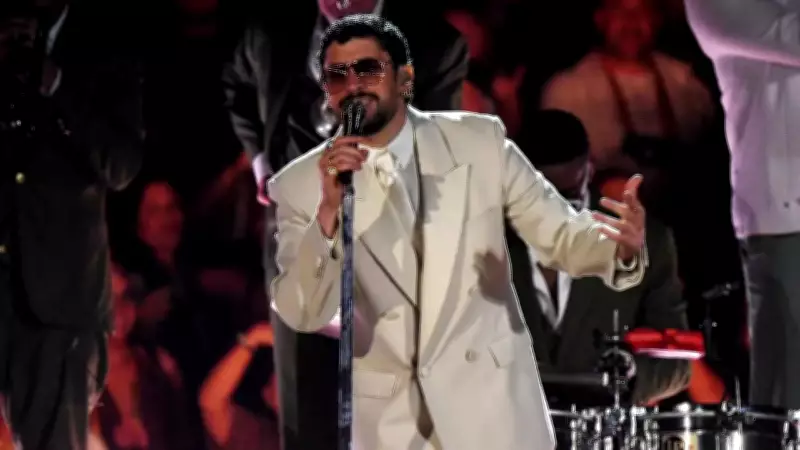
Bad Bunny is set to make history as the headline performer for Super Bowl LX on February 8, becoming the first Spanish-language dominant solo act to lead the iconic halftime show. This groundbreaking announcement might capture the headlines, but the underlying narrative resonates even louder: the NFL is placing a Puerto Rican superstar at the center of the most-watched stage in American sports, fully aware that this decision will generate both applause and backlash.
The Historical Context: Hispanic Artists Have Long Shaped Super Bowl Halftime
To truly grasp the magnitude of this moment, one must look beyond the immediate outrage cycle and examine the rich track record of Hispanic contributions to the Super Bowl halftime show. Bad Bunny is not the beginning of this journey; rather, he represents the most significant solo milestone yet in a legacy that spans decades.
Pioneering Performances That Paved the Way
According to ESPN's documentation, Gloria Estefan was the trailblazer, becoming the first Hispanic artist to perform at a Super Bowl halftime in 1992. She closed the "Winter Magic" show in Minneapolis with performances of "Live for Loving You" and "Get on Your Feet." Estefan returned seven years later in Miami for a show themed "Soul, Salsa and Swing," sharing the stage with legends like Stevie Wonder and performing "Oye."

In 1995, Arturo Sandoval and the Miami Sound Machine joined a star-studded halftime production alongside Patti LaBelle and Tony Bennett, with Sandoval's trumpet featuring during Bennett's rendition of Duke Ellington's "Caravan." By 2000, the NFL embraced full pop spectacle with Christina Aguilera and Enrique Iglesias co-headlining a Disney-produced show in Atlanta, part of a millennium-themed set that included Phil Collins and Toni Braxton.
The Evolution to Headline Status
The "headline" era saw Bruno Mars make history in 2014 as the youngest solo headliner at age 28, performing with his band The Hooligans and featuring Red Hot Chili Peppers as guests. He later returned as a special guest at Super Bowl 50. Even that event highlighted Latin excellence in a different form, with Gustavo Dudamel leading Youth Orchestra Los Angeles during Coldplay's set after an invitation from Chris Martin.
In 2011, Super Bowl XLV included Fergie and Taboo of The Black Eyed Peas, with guest spots from Usher and Slash. More recently, Shakira and Jennifer Lopez became the first Hispanic duo to co-headline, with J Balvin and Bad Bunny making appearances. Lopez's performance notably featured her then-11-year-old daughter, Emme Maribel Muñiz, centering themes of immigration and Latin identity.
The door for Hispanic representation was already wide open. Bad Bunny is now the artist walking through it alone, emerging as the right figure for this cultural moment.
The NFL's Calculated Risk: Embracing Controversy and Visibility
Super Bowl LX is scheduled for Sunday, February 8, at 6:30 p.m. ET at Levi's Stadium in Santa Clara, California. The matchup features the Seattle Seahawks versus the New England Patriots, with streaming options including Hulu+Live TV.
The NFL is strategically leveraging Bad Bunny's visibility following his impactful Grammy moment. As reported by Armando Salguero, the league reposted a congratulatory message from Apple Music shortly after Bad Bunny's acceptance speech, amplifying both the artist and his message.
The Fuel Behind the Selection: Bad Bunny's Powerful Voice
Bad Bunny's Grammy speech provides crucial context for his selection. He began by stating, "Before I say thanks to God, I'm going to say ICE out," as the crowd rose to its feet. He continued, "We're not savage. We're not animals. We're not aliens. We are humans and we are Americans." Reflecting on contemporary challenges, he added, "I know it's tough to know not to hate on these days. And I was thinking sometime we get contaminados [contaminated]. The hate get more powerful with more hate. The only thing that is more powerful than hate is love."
He concluded with a call for unity: "So, please we need to be different. If we fight, we have to do it with love. We don't hate them. We love our people, we love our family. And that's the way to do it, with love. Don't forget that, please."

Broader Political and Social Implications
Crystal Bell of Mashable reported on Bad Bunny's past comments about avoiding U.S. tour dates due to concerns related to ICE presence, noting additional political context around the halftime selection. This includes criticism from figures like Kristi Noem and Bad Bunny's response during a Saturday Night Live monologue. Trevor Noah's joke during the Grammys broadcast, which prompted Bad Bunny's correction—"Puerto Rico is part of America"—further highlights the cultural and political nuances at play.
This selection underscores the NFL's recognition of both the risks and rewards involved in placing a politically vocal, culturally significant artist like Bad Bunny at the forefront of its biggest event. It marks a pivotal step in the ongoing evolution of the Super Bowl halftime show as a platform for diverse voices and meaningful cultural dialogue.