India's Women's Asia Cup Campaign Ends with Lessons in Defeat and Hope
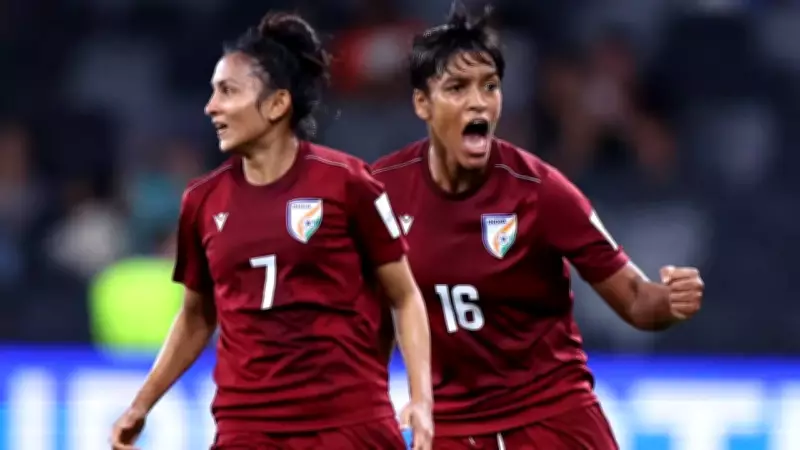
New Delhi: India's participation in the 2026 AFC Women's Asia Cup in Australia concluded on a somber note, marked by heavy losses including a devastating 0-11 defeat to Japan. While the scorelines starkly revealed the gap with Asia's top teams, former India goalkeeper Aditi Chauhan provides a deeper analysis, uncovering stories of resilience, budding talent, and critical systemic issues that define the current state of women's football in the country.
Qualification as a Milestone Amidst Challenges
In an exclusive reflection, Chauhan emphasizes that India's qualification for the tournament after 23 years on merit is a testament to the players' dedication and grit. "The fact that we qualified and the way we qualified means that there's so much talent," she states, acknowledging the hurdles women footballers face. Despite the disappointing results, she believes the team deserved its place and sees realistic possibilities for World Cup qualification in the near future if strategic changes are implemented.
The Gulf with Elite Teams and Structural Deficiencies
The 11-goal loss to Japan highlighted a widening gap, which Chauhan attributes to multiple factors. "All of the above," she responds when asked about tactical and structural gaps, pointing to Japan's cohesive school system, competitive league, and players gaining experience abroad. India lacks a unified football philosophy from grassroots to elite levels, and the domestic Indian Women's League (IWL) falls short of international standards, necessitating better infrastructure and financial support.

Bright Spots and Preparation Shortfalls
Manisha Kalyan's brilliant strike emerged as a highlight, with Chauhan, a former goalkeeper, admitting it was unsaveable due to its speed and precision. She praises Kalyan and other youngsters as positives, indicating a bright future. However, she criticizes the inadequate preparation, including canceled friendlies and matches against weaker sides. "We should have prepared better," Chauhan asserts, stressing the need for a robust league and international exposure through tournaments rather than just friendlies to build competitive mentality.
Administrative Lapses and Coaching Instability
Chauhan addresses the distraction caused by ill-fitting kits delivered just before the tournament, calling for accountability from the All India Football Federation (AIFF). She also notes the destabilizing effect of appointing coach Amelia Valverde only eight weeks prior, highlighting the need for consistency and time for coaches to implement their systems. "A little more time could have been helpful," she remarks, suggesting a thorough investigation into these issues to inform future decisions.
Path Forward: Reforms for World Cup Aspirations
To bridge the gap and aim for World Cup qualification, Chauhan outlines urgent reforms. A professional, year-round IWL with competitive matches and better salaries is crucial to allow players to dedicate themselves fully. She advocates for a long-term vision, improved grassroots development, and opportunities for top players to gain experience abroad, as she did at West Ham. For others, a strengthened domestic league is essential for growth.
In conclusion, while the Asia Cup exposed significant challenges, Chauhan's insights offer a roadmap for progress. With targeted investments, structural overhauls, and sustained commitment, India's women's football team can transform setbacks into stepping stones toward global recognition.