West Bengal's Political Landscape Shifts as Dynastic Politics Gains Prominence
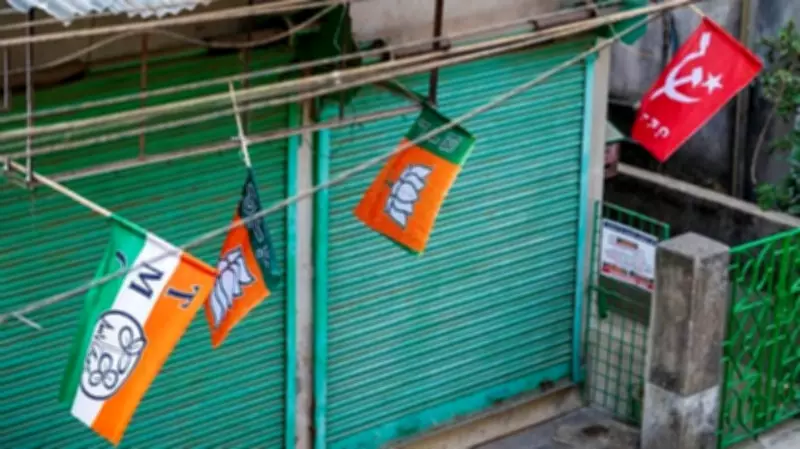
For many generations, West Bengal has proudly projected itself as a state distinct from others such as Uttar Pradesh and Bihar. Historically, it emphasized ideologies and grassroots movements over the influence of surnames and family networks that often dictated political fortunes in those northern regions. However, recent developments indicate a significant transformation in this narrative as the state prepares for the crucial 2026 elections.
The Rise of Political Dynasties in Bengal
In the lead-up to the 2026 polls, West Bengal is witnessing a notable crowding of political battlefields by dynasts. These individuals, hailing from established political families, are increasingly dominating the electoral scene. This shift marks a departure from the state's traditional self-image, where merit and party loyalty were often touted as key determinants of political success.
The contrast with states like Uttar Pradesh and Bihar is becoming less pronounced. In those areas, family connections have long played a pivotal role in shaping political careers and electoral outcomes. Now, West Bengal appears to be embracing a similar model, with numerous candidates from political lineages vying for positions across various constituencies.

Factors Driving the Change
Several factors contribute to this emerging trend in West Bengal's political arena:
- Established Networks: Political families often come with pre-existing support bases and organizational structures, providing a head start in campaigns.
- Name Recognition: Surnames associated with historical political figures can garner instant voter familiarity and trust.
- Resource Access: Dynasts typically have better access to financial and logistical resources, crucial for modern electioneering.
- Party Strategies: Major political parties may be increasingly relying on known entities to secure votes in a competitive landscape.
This evolution raises questions about the future of political representation in West Bengal. While dynastic politics can offer stability and continuity, it may also limit opportunities for new leaders from non-political backgrounds. As the 2026 elections approach, voters and analysts alike are closely watching how this dynamic will unfold and impact the state's democratic processes.
The embrace of pedigree politics in West Bengal signifies a broader shift in Indian political culture, where family legacies are becoming more influential across regions. Whether this trend will strengthen or face backlash remains to be seen, but it undoubtedly adds a new layer of complexity to the upcoming electoral battles.