Candace Owens Ignites Debate Over Charlie Kirk Case with New Evidence Claim
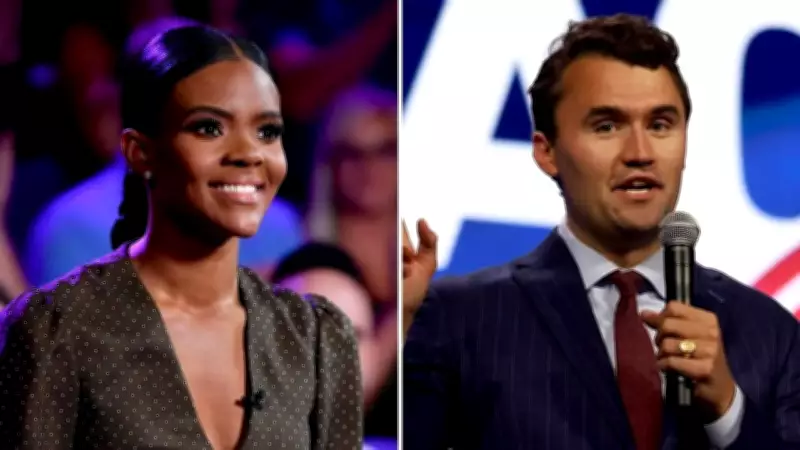
Candace Owens has injected fresh controversy into the already volatile case surrounding the killing of Charlie Kirk, leveraging a recent development to cast doubt on the narrative involving Tyler Robinson. Her reaction has not merely stirred debate but sharpened it significantly, drawing renewed public attention to a legal battle many believed was nearing resolution.
Owens Confronts Critics Head-On Amidst Technical Detail Revelation
What sets this moment apart is its timing. A technical detail from the investigation—specifically, reports that the bullet recovered from Charlie Kirk’s body could not be matched to the rifle linked to Tyler Robinson—has reopened a door that seemed nearly shut. Owens seized on this, confronting her critics directly in a social media post that spread rapidly.
She wrote, "Where are all my neocons who have been 'overwhelmed' by the non-existent evidence against Tyler Robinson? You should all be ashamed of yourselves. Hope the money was worth your soul." This statement resonated widely, tapping into a growing sense of uncertainty around the case. For Owens, the reported mismatch is not a minor inconsistency but a critical sign that the official version of events warrants closer scrutiny.

The Legal and Public Divide Over Evidence and Confessions
On the legal front, the situation remains complex. Investigators have pointed to Robinson's supposed confessions, made in online chats and early court hearings, as a cornerstone of the prosecution's case. Despite the defense's efforts to undermine the physical evidence, these confessions continue to play a pivotal role.
This creates a tension point: on one side, a forensic detail that prompts public skepticism; on the other, confessions that prosecutors argue cannot be ignored. Public figures, commentators, and a rapidly dividing audience are now filling the gap between these two elements, shaping perceptions outside the courtroom.
Owens Transforms Legal Battle into Broader Cultural Clash
Owens has skillfully used this divide to frame the case as more than just a trial—it has become a larger debate about trust, evidence, and narrative control. While it remains uncertain whether her claims will hold up in court, her influence is undeniable in the public sphere. She is effectively turning a legal fight into a broader cultural and ideological clash, challenging how evidence is interpreted and who gets to tell the story.
As the case continues, the interplay between legal proceedings and public discourse will likely intensify, with Owens' voice playing a key role in driving the conversation forward.