West Bengal Assembly Elections 2026: A High-Stakes Political Battle
The political landscape of West Bengal is heating up as the state gears up for the Assembly elections in 2026. This electoral contest is poised to be a significant showdown, with key candidates from major parties already emerging as central figures in the fray. The election will test the dominance of the ruling Trinamool Congress (TMC) and the resurgence of opposition forces, setting the stage for a closely watched democratic exercise.
Key Candidates in the Spotlight
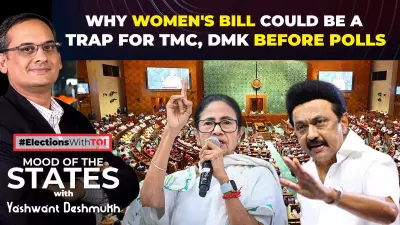
Among the prominent names, Mamata Banerjee, the Chief Minister and TMC supremo, is expected to lead her party's campaign from the front. Known for her grassroots connect and fiery rhetoric, Banerjee will aim to secure a fourth consecutive term, banking on her government's welfare schemes and regional pride narrative. Her leadership remains a critical factor in TMC's electoral strategy.
On the opposition side, Suvendu Adhikari, a former TMC leader who switched to the Bharatiya Janata Party (BJP), is set to be a key challenger. Adhikari, who currently serves as the Leader of the Opposition in the West Bengal Assembly, brings with him significant influence in certain regions, particularly in the Purba Medinipur district. His defection has added a layer of intrigue to the political dynamics, with the BJP hoping to leverage his local clout to make inroads.

Another notable candidate is Adhir Ranjan Chowdhury, the veteran Congress leader and MP from Baharampur. As the state Congress chief, Chowdhury represents the party's efforts to revive its presence in West Bengal, where it has seen a decline in recent years. His role will be crucial in mobilizing traditional Congress voters and potentially forming alliances to counter the TMC and BJP.
Political Implications and Strategies
The 2026 elections are not just about individual candidates but reflect broader political trends in West Bengal. Key aspects include:
- Regional vs. National Politics: The TMC's emphasis on Bengali identity and autonomy versus the BJP's nationalistic agenda.
- Alliance Dynamics: Potential coalitions, such as between the Congress and Left parties, to consolidate anti-incumbency votes.
- Voter Sentiment: Issues like development, law and order, and economic policies will play a pivotal role in shaping outcomes.
With the election still some time away, parties are likely to ramp up their campaigns, focusing on grassroots mobilization and digital outreach. The contest is expected to be fiercely competitive, with each candidate vying to sway the electorate in their favor.
As the political narrative unfolds, the West Bengal Assembly elections of 2026 will undoubtedly be a landmark event, influencing not only the state's future but also the national political landscape. Stakeholders across the spectrum are gearing up for what promises to be a riveting democratic battle.