At a time when India's power sector is grappling with mounting financial stress, Uttar Pradesh has emerged as a notable exception. Fresh data presented in Parliament reveals that while most states have seen their electricity distribution debts balloon, UP has successfully reduced its outstanding liabilities by a significant margin over the last five years.
A Stark National Contrast in Power Sector Finances
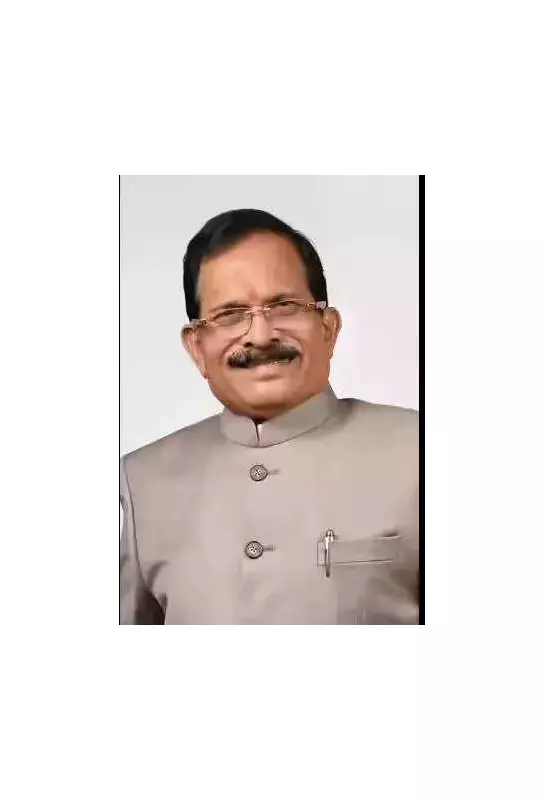
Data tabled in the Lok Sabha by Minister of State for Power Shripad Naik paints a worrying picture for the country's electricity distribution sector. The total outstanding debt for the sector surged from Rs 5.76 lakh crore in the 2020–21 fiscal to Rs 8.05 lakh crore in 2024–25. This represents a sharp increase of nearly 40%, highlighting the severe financial strain on state-owned distribution companies (discoms).
This nationwide rise is attributed to deep-rooted issues plaguing the sector. The Ministry of Power points to non-cost-reflective tariffs, delays in revising these tariffs, operational inefficiencies, late payment of government subsidies, and a heavy reliance on short-term, high-cost loans to bridge funding gaps. These factors have collectively led to heavy accumulated losses for discoms, crippling their ability to invest in modern infrastructure and reliable service delivery.

Uttar Pradesh's Remarkable Debt Reduction Journey
Against this bleak national backdrop, Uttar Pradesh's performance stands out. The state has charted a completely different financial course. UP reduced its outstanding power debt from Rs 81,952 crore in 2020–21 to Rs 61,395 crore in 2024–25, marking a decline of nearly 25%.
The state's debt trajectory shows a consistent and deliberate effort at fiscal correction. After reaching a five-year peak of Rs 82,047 crore in 2021–22, Uttar Pradesh began systematically bringing down its debt year after year. By 2023–24, the figure was lowered to Rs 67,937 crore, before achieving the current level of Rs 61,395 crore.
This positive trend becomes even more pronounced when compared with other major Indian states, which have struggled to contain their liabilities:
- Tamil Nadu: Debt soared from Rs 1.37 lakh crore to Rs 1.88 lakh crore.
- Rajasthan: Debt nearly doubled from Rs 53,030 crore to Rs 98,488 crore.
- Maharashtra: Debt witnessed a dramatic rise from Rs 38,254 crore to Rs 90,659 crore.
States like Haryana, Telangana, and Karnataka also recorded steep increases, limiting their capacity for crucial grid upgrades and service improvements.
Factors Behind UP's Financial Turnaround
Experts view UP's declining debt as a strong indicator of improved financial discipline within its power utilities. Avadhesh Kumar Verma, a member of the Central Advisory Committee and Chairman of the Uttar Pradesh Rajya Vidyut Upbhokta Parishad, explained that discoms across India depend heavily on loans from institutions like the Power Finance Corporation (PFC) and Rural Electrification Corporation (REC). Therefore, a reduction in outstanding debt signals healthier operational management.
Verma attributes UP's success to structural strengthening, better fiscal management, and effective efforts to reduce technical and commercial (AT&C) losses. The Ministry of Power has also highlighted the growing positive impact of reforms under the central government's Revamped Distribution Sector Scheme (RDSS).
Key measures under RDSS that are beginning to show results nationwide include:
- Stricter prudential lending norms for discoms.
- Performance-linked borrowing limits.
- Tighter monitoring of AT&C loss reduction targets.
While these reforms are being implemented across states, Uttar Pradesh appears to have leveraged them more efficiently to achieve tangible financial improvement, setting a potential benchmark for others in the sector.