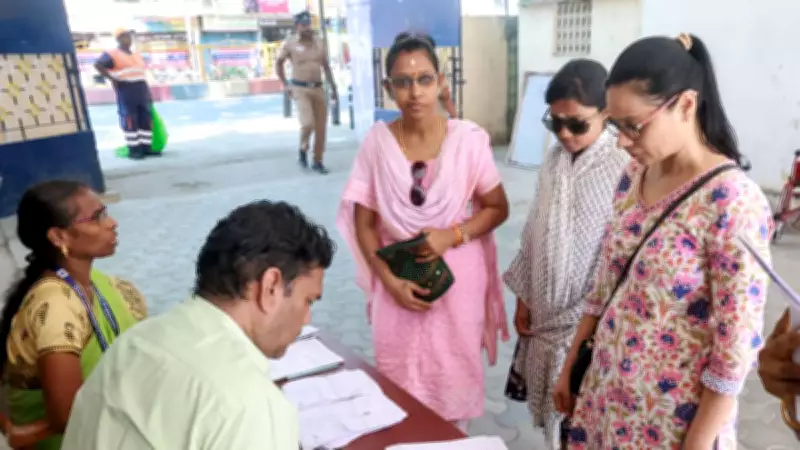
Udhagamandalam Constituency: A Crucial Battleground in Tamil Nadu's 2026 Assembly Polls
As Tamil Nadu gears up for the highly anticipated 2026 Legislative Assembly elections, political attention is sharply focused on the Udhagamandalam constituency. This key seat, located in the picturesque Nilgiris district, is poised to be a significant battleground that could influence the overall electoral outcome in the state. The constituency's unique demographic profile and historical voting patterns make it a critical area for major political parties to secure.
Historical Performance and Past Winners
An analysis of previous election results reveals a competitive political landscape in Udhagamandalam. The constituency has witnessed closely contested battles between prominent regional parties and national players. In the last assembly elections, the seat was won by a candidate from a major Dravidian party, reflecting the area's alignment with Tamil Nadu's dominant political forces. However, margins of victory have often been narrow, indicating the constituency's volatile nature and susceptibility to shifting voter sentiments.
Historical data shows that Udhagamandalam has alternated between different political parties over multiple election cycles. This pattern underscores the seat's importance as a swing constituency that can potentially tip the balance in a closely fought election. The winning candidate in the previous election secured victory with a margin that highlighted the competitive intensity, where even small shifts in vote share could alter the outcome dramatically.
Party-Wise Candidates and Strategic Considerations
As parties prepare for the 2026 polls, candidate selection for Udhagamandalam is becoming a strategic priority. Major political entities, including the Dravida Munnetra Kazhagam (DMK), All India Anna Dravida Munnetra Kazhagam (AIADMK), and the Bharatiya Janata Party (BJP), are expected to field strong contenders. Each party is carefully evaluating potential candidates who can resonate with the local electorate, which includes a mix of urban and rural voters, as well as significant tribal communities.
The constituency's demographic composition requires candidates to address specific local issues such as environmental conservation, tourism development, and agricultural support. Parties are likely to emphasize these topics in their campaigns, alongside broader state-level concerns like governance, economic development, and social welfare. The candidate selection process will be crucial, as Udhagamandalam's voters have demonstrated a tendency to support individuals with strong local connect and a clear development agenda.
Victory Margins and Electoral Dynamics
Examining past victory margins provides valuable insights into Udhagamandalam's electoral behavior. The constituency has seen margins ranging from a few thousand votes to more substantial leads, depending on the political climate and candidate appeal. In recent elections, the victory margin has often been below 10,000 votes, making every vote count and intensifying campaign efforts.
This narrow margin trend suggests that Udhagamandalam is highly responsive to grassroots campaigning and local issues. Factors such as candidate credibility, party performance at the state level, and effective mobilization of support bases can significantly influence the outcome. As parties strategize for 2026, they are likely to focus on micro-level campaigning, door-to-door outreach, and addressing hyper-local concerns to sway undecided voters and secure a winning edge.
Key Issues and Voter Expectations
Voters in Udhagamandalam are expected to prioritize several key issues in the 2026 elections. Environmental protection, given the region's ecological sensitivity, is likely to be a major concern. Additionally, infrastructure development, healthcare access, and employment opportunities will play a pivotal role in shaping voter preferences. The impact of state government policies on tourism and agriculture will also be closely scrutinized by the electorate.
Political analysts suggest that the party which effectively addresses these local issues while aligning with broader state narratives will have an advantage. The constituency's voting history indicates a pragmatic electorate that rewards performance and tangible development over purely ideological appeals. As such, candidates will need to present concrete plans and demonstrate a track record of service to gain voter trust.
Conclusion: A Seat to Watch in 2026
Udhagamandalam constituency stands out as a critical seat in Tamil Nadu's 2026 Assembly elections due to its competitive history and strategic importance. With past winners showing narrow victory margins and a diverse voter base, the seat is likely to witness intense campaigning and close contests. Party-wise candidate selections will be pivotal, as will the ability to connect with local issues and deliver on development promises.
As political dynamics evolve in the lead-up to the polls, Udhagamandalam will serve as a bellwether for broader trends in Tamil Nadu politics. The outcome here could provide early indicators of the overall election results, making it a focal point for parties, analysts, and voters alike. With its unique blend of urban and rural concerns, the constituency encapsulates the complex challenges and opportunities that define Tamil Nadu's political landscape.