Tamil Nadu Prepares for Crucial 2026 Assembly Elections
The state of Tamil Nadu is actively gearing up for the highly anticipated 2026 Assembly elections, which will determine the composition of its 17th Legislative Assembly. With political parties already mobilizing their campaigns, the electoral landscape is set for a significant contest that could shape the region's governance for the next five years.
Voter Demographics and Registration Figures
According to the latest electoral data, Tamil Nadu has a total of 5.73 crore registered voters who are eligible to participate in the upcoming polls. This substantial electorate reflects the state's vibrant democratic engagement and the importance of every vote in deciding the future leadership.
The gender distribution among voters shows a notable balance, with 2.89 crore women and 2.77 crore men registered. This near-equal representation underscores the inclusive nature of the electoral process in Tamil Nadu, where both genders play a pivotal role in the democratic exercise.

In a progressive move towards inclusivity, the voter list also includes 7,617 transgender persons who are eligible to cast their ballots. This acknowledgment of transgender voters highlights the state's commitment to ensuring that all sections of society have a voice in the political arena, aligning with broader national efforts to promote equality and representation.
Political Context and Key Players
The 2026 Assembly elections are expected to be a fiercely contested battle between major political factions, including the Dravida Munnetra Kazhagam (DMK) and the All India Anna Dravida Munnetra Kazhagam (AIADMK). Both parties have a storied history in Tamil Nadu politics and are likely to leverage their grassroots networks and policy agendas to sway voters.
Other regional parties and alliances may also play a crucial role, potentially influencing the outcome in key constituencies. The elections will not only test the popularity of incumbent leaders but also reflect public sentiment on issues such as economic development, social welfare, and governance reforms.
Electoral Preparedness and Logistics
Authorities in Tamil Nadu are working diligently to ensure a smooth and transparent voting process. Preparations include:
- Updating voter lists to minimize errors and include new registrants.
- Setting up polling stations across urban and rural areas to facilitate easy access.
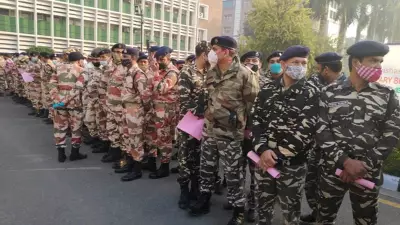
- Implementing security measures to maintain law and order during the elections.
- Conducting awareness campaigns to encourage voter turnout, especially among youth and marginalized communities.
The focus is on creating an environment where every eligible voter can exercise their franchise without hindrance, thereby strengthening the democratic foundations of the state.
Implications for Tamil Nadu's Future
The outcome of the 2026 Assembly elections will have far-reaching consequences for Tamil Nadu's political trajectory and policy direction. Key areas likely to be influenced include:
- Economic Policies: Decisions on industrial growth, job creation, and infrastructure development.
- Social Programs: Initiatives related to education, healthcare, and women's empowerment.
- Environmental Concerns: Strategies to address climate change and sustainable resource management.
- Cultural Preservation: Efforts to uphold Tamil heritage and language in a globalized context.
As the election date approaches, all eyes will be on Tamil Nadu to see how its diverse electorate shapes the future of one of India's most politically active states. The high voter registration numbers suggest a robust participation rate, which could lead to a decisive mandate for the winning coalition.