Suvendu Adhikari Forecasts Major Political Shift in West Bengal After Initial Polling Phase
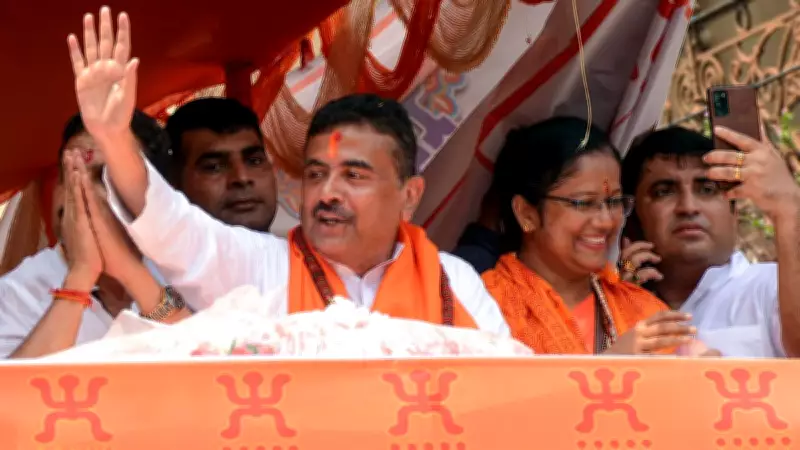
In a significant development from West Bengal, Suvendu Adhikari, the Leader of the Opposition in the state assembly, has voiced strong optimism regarding a potential political transformation following the completion of the first phase of assembly elections. Adhikari, a prominent figure in the Bharatiya Janata Party (BJP), made these remarks in the wake of the initial polling, which saw a substantial voter turnout across various constituencies.
Confidence in Voter Sentiment and Anti-Incumbency Wave
Adhikari emphasized that the high participation rates in the phase one polling are indicative of a deep-seated desire for change among the electorate. He pointed to what he described as a growing anti-incumbency sentiment against the current ruling party, the Trinamool Congress (TMC), led by Chief Minister Mamata Banerjee. According to Adhikari, voters have expressed dissatisfaction with issues such as governance, development, and law and order, which he believes will translate into a decisive mandate for the BJP in the upcoming election results.
Key factors cited by Adhikari include:

- Strong voter turnout in rural and urban areas, suggesting heightened political engagement.
- Allegations of administrative failures and corruption under the TMC regime.
- The BJP's focus on development agendas and national integration as appealing alternatives.
Political Context and Strategic Implications
West Bengal has been a battleground state in recent years, with the BJP making significant inroads in the 2021 assembly elections, though falling short of a majority. Adhikari's comments come at a critical juncture, as the state gears up for the subsequent phases of polling. His confidence is seen as a strategic move to bolster party morale and sway undecided voters by projecting an image of inevitability regarding the BJP's rise.
Analysts note that Adhikari, a former TMC leader who switched to the BJP, brings insider knowledge of the state's political dynamics, lending credibility to his predictions. However, the TMC has dismissed these claims, asserting that their grassroots connect and welfare schemes will ensure their victory. The election outcome is poised to have far-reaching implications for West Bengal's political landscape and could influence national politics, given the state's electoral significance.
Looking Ahead to Future Phases and Broader Impact
As the assembly elections progress, all eyes will be on voter behavior in the remaining phases. Adhikari's assertion of "parivartan" or change reflects the BJP's broader campaign theme aimed at unseating the TMC. If his predictions hold true, it could mark a historic shift in West Bengal, potentially ending the TMC's decade-long rule and ushering in a new era of BJP governance in the state.
This development underscores the intense competition and high stakes involved in West Bengal's electoral process, with both major parties vying for supremacy in one of India's most politically vibrant regions.