Suspended TMC MLA Initiates Controversial Mosque Construction
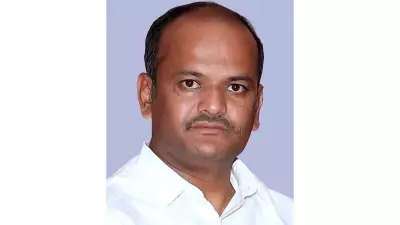
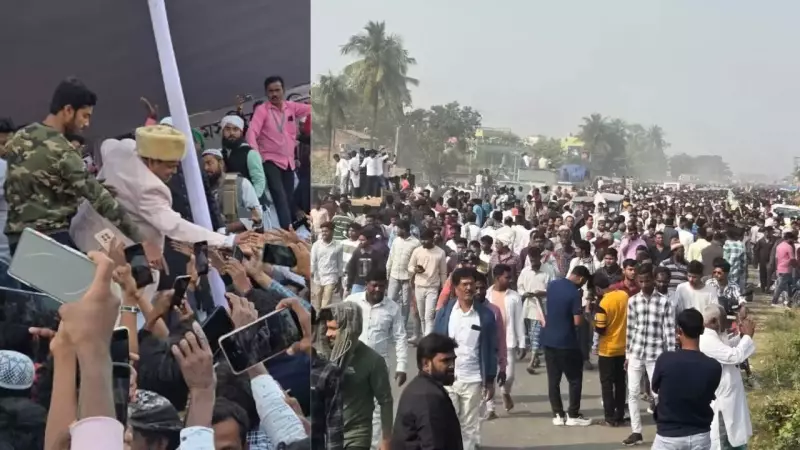
In a move that has stirred significant attention, suspended Trinamool Congress (TMC) legislator Humayun Kabir laid the foundation stone for a new mosque in West Bengal's Murshidabad district on Saturday. The event gained notoriety as the proposed structure is being described as a "Babri Masjid-style" mosque, invoking memories of one of India's most contentious religious sites.
Details of the Murshidabad Event
The ceremony took place on Saturday in the historically significant district of Murshidabad. Humayun Kabir, who is currently suspended from the ruling TMC, presided over the foundational rites. The explicit comparison of the mosque's architectural style to that of the Babri Masjid in Ayodhya has added a layer of political and religious sensitivity to the project. While specific architectural blueprints were not immediately disclosed, the framing of the project in these terms has made it a focal point for discussion.
This development occurs against the backdrop of Kabir's suspended status within his party, raising questions about the motivations and implications of his independent actions. The event was conducted without the official endorsement of the TMC leadership, highlighting internal fissures and the independent political maneuvering of the suspended MLA.

Political Repercussions and Context
The construction of a mosque explicitly modeled on the style of the Babri Masjid is a politically charged act in contemporary India. The original Babri Masjid in Ayodhya was a subject of a decades-long dispute, culminating in its demolition in 1992 and the recent construction of a Ram temple at the site. Therefore, any project invoking its name and style is bound to attract scrutiny and potentially reignite debates.
For the Trinamool Congress government in West Bengal, this event presents a challenge. It must navigate the delicate balance of communal harmony in the state while managing dissent within its own ranks. Kabir's actions, undertaken while suspended, could be seen as an attempt to carve out a distinct political identity or to mobilize support within a specific community, independent of the party's official stance.
As this is a developing story, further details regarding the mosque's funding, exact location, and the broader reaction from political parties, religious groups, and civil society are awaited. The state administration's response to this initiative will be closely watched in the coming days.