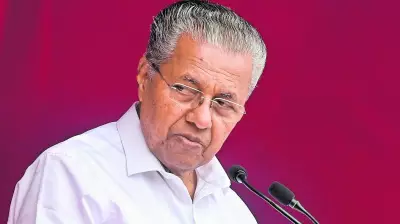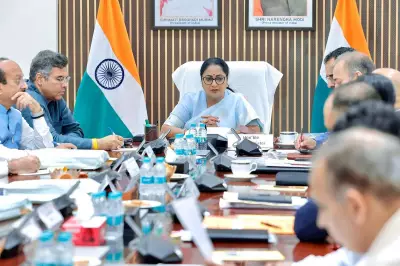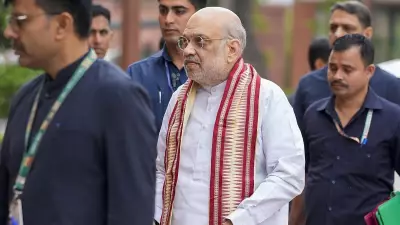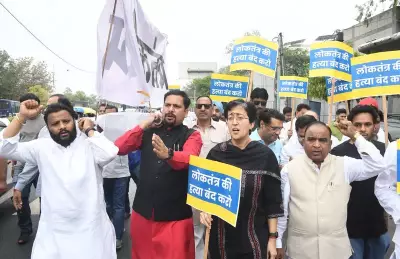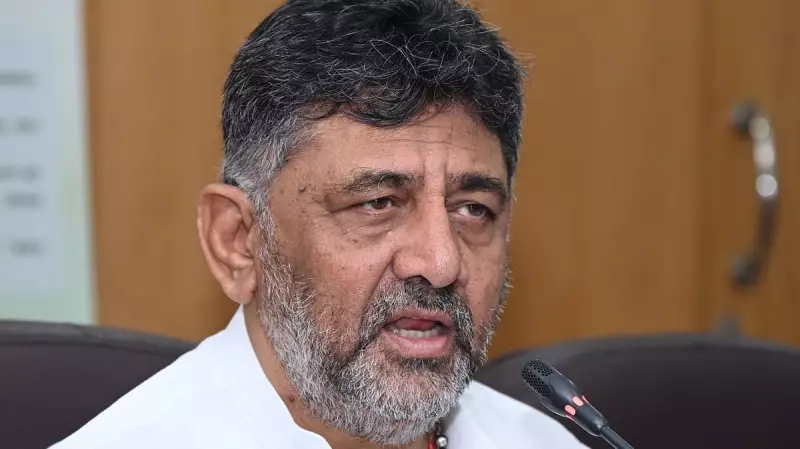
Karnataka Deputy Chief Minister DK Shivakumar has taken a firm stance against illegal land occupation, declaring that the state government will not offer any concessions to those who have encroached on public or government land. His statement, made on December 30, 2025, underscores a strict approach to land management and urban enforcement.
No Appeasement, Only Action
Addressing reporters, Shivakumar categorically denied any political motive behind the government's drive against encroachments. "There is no appeasement politics," he stated emphatically. The senior Congress leader clarified that the administration's focus is on upholding the law without bias. He further warned that the crackdown would not be limited to the encroachers themselves.
The government plans to initiate legal and administrative proceedings against individuals or officials who allegedly facilitated these illegal occupations. This move signals a broader probe into the ecosystem that enables land grabbing, potentially targeting corruption within the system.

Rehabilitation Through Central Scheme
While taking a hard line against the encroachers, Shivakumar outlined a rehabilitation plan for the displaced families who are legally eligible for support. He announced that housing would be provided to eligible evictees through the Central Government's Pradhan Mantri Awas Yojana (PMAY).
This distinction is crucial. It aims to separate wilful land grabbers from potentially vulnerable families who might have been misled or are in genuine need of housing. The offer of PMAY benefits is contingent on meeting the scheme's eligibility criteria, ensuring aid reaches the intended beneficiaries.
Implications and Political Context
The declaration comes amid ongoing drives by the Bengaluru civic authorities and the state government to reclaim lakes, stormwater drains, and other public lands from illegal constructions. These eviction drives often become politically sensitive, with accusations of targeting specific communities.
By preemptively ruling out "appeasement politics" and promising action against facilitators, Shivakumar's statement seeks to position the government as an impartial enforcer of the law. The promise of rehabilitation via a central scheme also helps mitigate criticism of being purely punitive. The success of this balanced approach will depend on its transparent and consistent implementation on the ground.