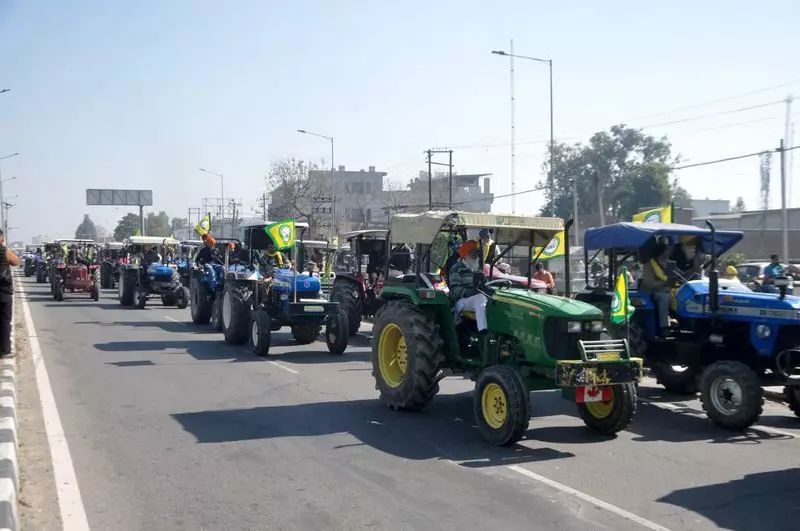
Punjab Farmers Mobilize in Tractor Marches to Oppose Electricity Amendment Bill
In a significant display of dissent, farmers across Punjab have taken to the streets with tractor marches, voicing strong opposition to the proposed Electricity Amendment Bill. The protests, which have gained momentum in recent days, highlight the agricultural community's deep-seated concerns over potential hikes in electricity tariffs and the move towards privatization of the power sector.
Widespread Demonstrations Across the State
The tractor marches have been organized in multiple districts of Punjab, drawing participation from thousands of farmers and agricultural laborers. These demonstrations are not isolated incidents but part of a coordinated effort to pressure the government into withdrawing the bill, which farmers argue could severely impact their livelihoods by making electricity unaffordable for irrigation and other farming needs.
Key demands from the protesting farmers include:

- Immediate withdrawal of the Electricity Amendment Bill to prevent privatization of the power distribution sector.
- Assurance of continued subsidized electricity rates for agricultural purposes to support farming activities.
- Protection of farmers' interests in any future policy changes related to energy and infrastructure.
Background and Implications of the Bill
The Electricity Amendment Bill aims to amend existing laws to facilitate greater private sector participation in electricity distribution, a move proponents argue could improve efficiency and service quality. However, farmers in Punjab, a state heavily reliant on agriculture, fear that this could lead to:
- Increased power costs due to market-driven pricing, which might burden small and marginal farmers.
- Reduced access to reliable electricity for irrigation, potentially affecting crop yields and food security.
- Erosion of state control over power utilities, which has historically provided subsidies to the agricultural sector.
These concerns are rooted in Punjab's agricultural economy, where electricity is a critical input for running tube wells and other machinery. The state has a long history of farmer protests, and this latest mobilization reflects ongoing tensions over policies perceived as anti-farmer.
Response and Future Outlook
As the tractor marches continue, the state and central governments are under pressure to address the farmers' grievances. The protests have sparked debates on balancing modernization of the power sector with the need to protect vulnerable agricultural communities. Observers note that the outcome of this standoff could set a precedent for similar issues in other agrarian states across India.
In summary, the tractor marches in Punjab underscore a broader struggle over energy policy and agricultural sustainability. Farmers are determined to make their voices heard, emphasizing that any changes to electricity regulations must consider their economic realities and contributions to the nation's food supply.