India Rejects Pakistan's Claims on Balochistan Attacks as Baseless
In a strong rebuttal, India has categorically dismissed Pakistan's recent allegations that it is involved in attacks in the Balochistan region. The Indian government has labeled these accusations as a typical and predictable tactic employed by Pakistan to deflect attention from its own internal governance failures and domestic challenges. This response comes amid ongoing tensions between the two neighboring nations, with India emphasizing its commitment to peaceful diplomacy while firmly standing against unfounded claims.
Pakistan's Allegations and India's Counter-Response
Pakistan has alleged that India is behind recent incidents of violence in Balochistan, a province in southwestern Pakistan known for its separatist movements and geopolitical significance. However, India has swiftly countered these claims, stating that such allegations are without any factual basis or evidence. Indian officials have pointed out that this is not the first time Pakistan has resorted to such tactics, often using external blame to mask its internal issues, including economic struggles, political instability, and human rights concerns in regions like Balochistan.
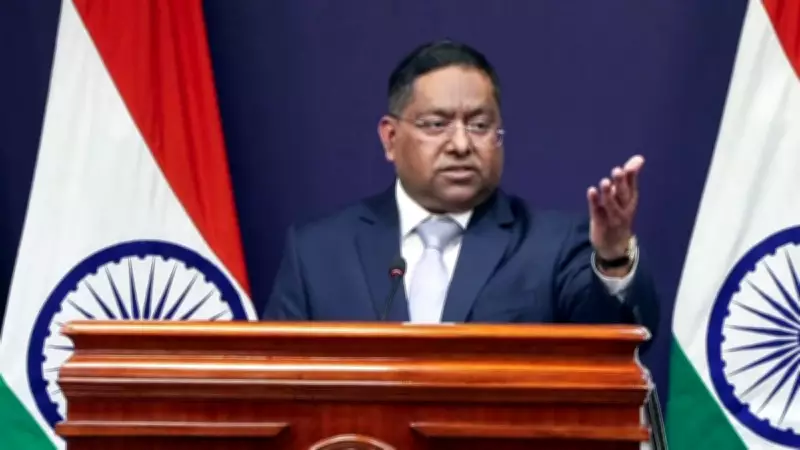
The Indian Ministry of External Affairs, in its statement, highlighted that Pakistan's history of making similar accusations reveals a pattern of avoiding accountability for its own actions. By shifting focus to India, Pakistan aims to create a smokescreen that obscures its failures in addressing the legitimate grievances of the Baloch people and maintaining law and order within its borders. India has reiterated its stance of non-interference in the internal affairs of other countries, urging Pakistan to focus on resolving its domestic problems instead of engaging in blame games.

Broader Implications for India-Pakistan Relations
This latest exchange underscores the ongoing strain in India-Pakistan relations, which have been marred by decades of conflict, territorial disputes, and mistrust. The Balochistan issue adds another layer of complexity, as it involves sensitive topics of regional security and sovereignty. India's dismissal of Pakistan's claims is seen as a move to maintain its diplomatic high ground, emphasizing transparency and adherence to international norms.
Experts suggest that such allegations by Pakistan could further hinder efforts towards bilateral dialogue and peace initiatives. India has consistently advocated for a constructive approach to resolving disputes through dialogue, but incidents like these highlight the challenges in fostering mutual trust. The international community often watches these developments closely, given the nuclear capabilities of both nations and the potential for regional instability.
Why This Matters for India's Foreign Policy
For India, responding firmly to Pakistan's allegations is crucial for several reasons:
- Protecting National Image: By rejecting baseless claims, India aims to safeguard its reputation as a responsible global actor committed to peace and stability.
- Countering Propaganda: India seeks to counter what it views as propaganda efforts by Pakistan to malign its international standing.
- Focusing on Internal Development: India emphasizes that its priorities lie in domestic growth and regional cooperation, rather than engaging in external conflicts.
In conclusion, India's rejection of Pakistan's Balochistan allegations reflects a broader strategy of diplomatic resilience and principled foreign policy. As tensions persist, India remains focused on its developmental goals while standing firm against unfounded accusations. This episode serves as a reminder of the intricate dynamics in South Asian geopolitics, where historical animosities and contemporary issues often intersect, shaping the future of regional relations.