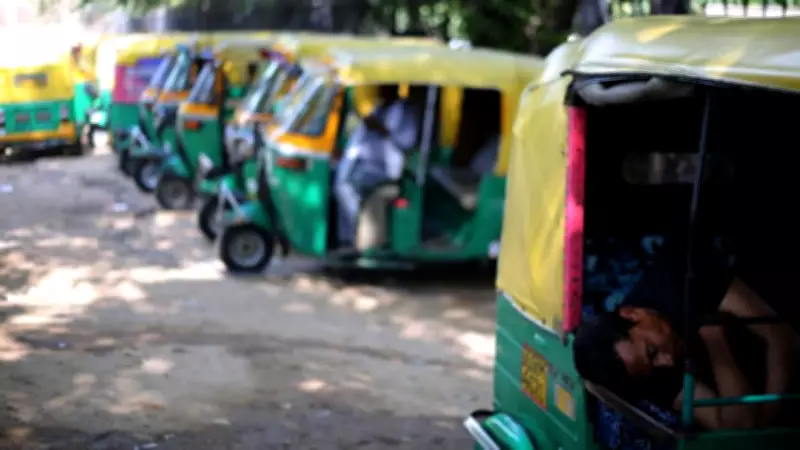
Pune RTO's Strict Enforcement of 'Autorickshaw Permits Only for Unemployed' Rule Creates Dilemma for Part-Time Drivers
The Pune Regional Transport Office (RTO) has issued a stern warning that has sent shockwaves through the city's autorickshaw community. According to officials, autorickshaw permits are granted exclusively to individuals who intend to work as full-time drivers to earn their livelihood, and those who secure employment elsewhere must voluntarily surrender their permits or face legal consequences.
Clarification on Permit Rules and Enforcement Measures
Nandkishor Kale, Assistant Regional Transport Officer in Pune, explained the regulatory framework to The Indian Express. "According to the Motor Vehicles Act, an autorickshaw permit is granted only to individuals who intend to earn their livelihood by working as a full-time autorickshaw driver," stated Kale. "When obtaining the permit, the applicant must submit an affidavit declaring they are not employed by any government, semi-government, private company, or other organisation. This rule was created solely to provide employment opportunities to unemployed individuals."
The Transport Department began issuing new autorickshaw permits in 2017 to accommodate Pune's growing population. However, officials have observed that many individuals declared themselves unemployed during the application process but later secured formal employment while retaining their permits. "The RTO has noticed that this is causing injustice to those who genuinely need employment," added Kale, highlighting the ethical dimension of the enforcement drive.

Verification Process and Potential Consequences
The Pune RTO has clarified its verification strategy for identifying non-compliant permit holders. Authorities will collect information on individuals who fail to voluntarily surrender their permits despite being employed elsewhere. If verification confirms that a person holds employment while still possessing an autorickshaw permit, their current employer will be notified, and further legal action will be initiated under the Motor Vehicles Act.
This enforcement approach aims to address what officials describe as a persistent loophole in the permit issuance system. Currently, the RTO administration relies primarily on applicants' self-declarations and lacks mechanisms to track employment status changes after permits are granted.
Industry Reactions and Divergent Perspectives
Bapu Bhave, leader of the Pune City Autorickshaw Federation, welcomed the RTO's decision. "The introduction of metro rail services and ride-hailing apps has affected our business," noted Bhave. "I have also noticed that some individuals working at PMPML, central building, Sassoon Hospital and other places hold autorickshaw permits. How is it fair?"
Bhave further emphasized the oversupply issue, stating, "Pune has considerably more rickshaws, approximately around 1.3 lakh, compared to the population ratio. We welcome the RTO's move and support the revocation of such permits. But it should stop issuing new permits or at least maintain strict scrutiny while issuing new ones."
Economic Realities and Calls for Nuanced Approach
In contrast, Shafique Patel, president of the Kondhwa-based Azad Rickshaw Drivers Association, urged the RTO to consider the economic challenges faced by workers. "There are individuals who are underpaid at their jobs and drive autorickshaws part-time, after their routine work shifts, to earn their living and sustain their families in a city like Pune with such rapidly increasing living costs," explained Patel.
Patel proposed a more nuanced enforcement approach: "The RTO must consider cancelling the permits of permanent job holders in government and semi-government sectors, but should exempt those in the private sector." He also suggested enhanced verification measures, including checking whether applicants have Provident Fund accounts and other Aadhar-linked details during the permit issuance process.

Broader Implications for Pune's Transportation Ecosystem
This regulatory crackdown highlights the complex intersection of employment policies, transportation regulations, and urban economic realities in rapidly growing cities like Pune. With approximately 1.3 lakh autorickshaws operating in the city—a number that exceeds typical population ratios—the permit system's integrity has become a pressing concern for both authorities and industry stakeholders.
The enforcement drive raises important questions about balancing regulatory compliance with economic survival strategies in an environment where living costs continue to escalate. As Pune's transportation ecosystem evolves with metro services and app-based mobility options, traditional permit systems face increasing scrutiny regarding their effectiveness and fairness.
Transport officials emphasize that the fundamental purpose of autorickshaw permits remains providing livelihood opportunities to unemployed individuals, not supplementing income for those already employed elsewhere. The coming weeks will reveal how strictly these regulations are enforced and what accommodations, if any, might be made for those navigating Pune's challenging economic landscape.