The traditional political toolkit of smiles, folded hands, and promises is gathering dust in Pune. As the city gears up for the long-awaited Pune Municipal Corporation (PMC) elections, a startling new campaign playbook has emerged, one where aspirants are dangling high-value freebies—from plots of land and luxury cars to foreign holidays and silk saris—to win voter favour.
The New Currency of Campaigns: Land, Wheels, and Wings
The scale of inducements has escalated dramatically, turning ward-level politics into a spectacle of giveaways. In Ward No. 1 (Lohegaon-Dhanori), NCP aspirant Shashi Tingre has registered for a lucky draw promising a staggering prize: eleven plots of land, each measuring one guntha (approx. 1,100 sq ft), exclusively for women. Defending the move, Tingre framed it as women's empowerment, stating the goal is to provide an asset for security and dignity, not to buy votes.
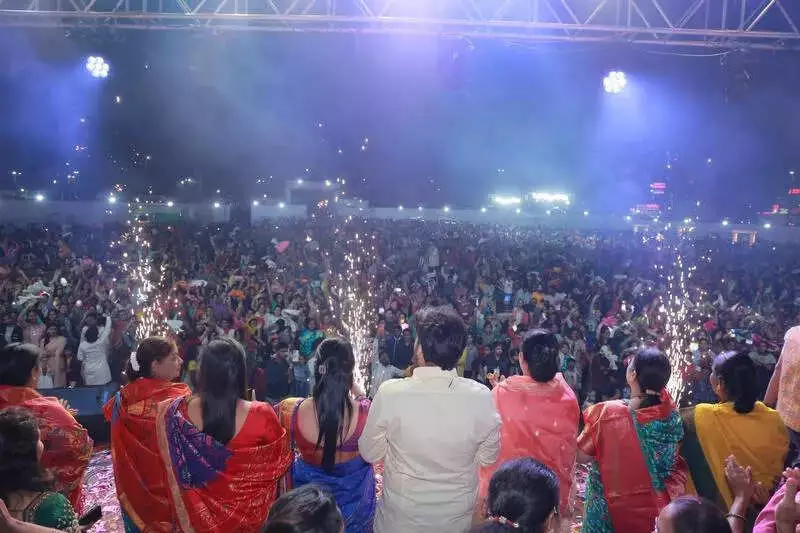
In Wagholi, the campaign extravagance reached international shores, with aspirants sponsoring a five-day couple's tour to Thailand (Phuket-Krabi). Meanwhile, in Ward No. 3 (Vimannagar), the Sakhi Prerna Manch organised an event where winners received premium pure silk Paithani saris.

Ward No. 10 (Bavdhan and Bhusari Colony) saw a flurry of activity: around 500 girls received bicycles, women got sewing machines, and aspirant Dilip Vede Patil hosted a free Marathi music concert, blending civic outreach with entertainment.
Beyond Pune: A Trend Goes Viral
This culture of high-stakes lucky draws isn't confined to PMC limits. In neighbouring Pimpri Chinchwad, candidate Sanket Barne organised a mega draw with a high-end SUV as the top prize, attracting over 5,000 participants. Another Pimpri aspirant, Ashwini More, sponsored a local cricket league where the winning team bagged a cash prize of Rs 1 lakh.
Political analysts point to a perfect storm causing this shift: delayed elections, overcrowded tickets, and cut-throat intra-party competition. "When campaigns revolve around gifts and experiences, it signals a transactional approach to democracy," said urban policy expert Jyoti Kanade. "Voters are treated as consumers and elections as investments."
The Fallout and the Fear of a New Normal
This race to out-gift rivals has sparked intense debate. Political commentator Anand Puntambekar noted that visibility now trumps ideology or governance. A senior BJP leader admitted the pressure to match opponents' offers is immense but warned that limits must be set and violators acted against.
Privately, many candidates concede these tactics raise the stakes for everyone, potentially setting a dangerous precedent for future elections. The Pune civic polls have thus become a stark case study of how aspirational politics is being rapidly replaced by a culture of direct gratification, challenging the very ethos of democratic engagement.