Karnataka Minister Accuses Opposition of Diverting Attention with Dalit CM Issue
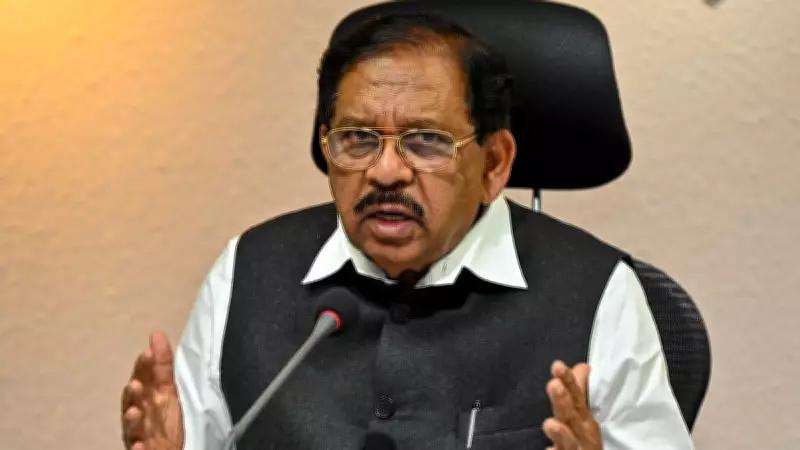
In a recent statement that has stirred political circles in Karnataka, state minister G. Parameshwara has accused opposition parties of deliberately raking up the issue of appointing a Dalit chief minister to divert public attention from their own governance failures. This accusation comes amid heightened political tensions and ongoing debates over representation and social justice in the state's leadership.
Political Strategy or Genuine Concern?
Parameshwara, a senior leader in the ruling coalition, asserted that the opposition's focus on the Dalit chief minister matter is a calculated move to shift the narrative away from critical issues such as economic development, infrastructure projects, and administrative efficiency. He emphasized that while the representation of marginalized communities is important, it should not be used as a political tool to obscure other pressing concerns facing Karnataka.
The minister highlighted that the current government has been actively working on various welfare schemes and policies aimed at uplifting all sections of society, including Dalits. He pointed out that these efforts are often overshadowed by what he described as the opposition's divisive tactics. Parameshwara's comments reflect a broader strategy to counter criticism and maintain focus on the administration's achievements.

Context of the Dalit Chief Minister Debate
The issue of appointing a Dalit chief minister in Karnataka has been a longstanding topic in state politics, with various groups and parties advocating for greater representation at the highest levels of government. Historically, Karnataka has had chief ministers from different communities, but the demand for a Dalit leader has gained momentum in recent years, fueled by social movements and political mobilization.
Parameshwara's remarks suggest that the ruling coalition views this demand as being exploited by opponents to create unrest and distract from governance matters. He argued that the opposition is not genuinely interested in the welfare of Dalits but is instead using the issue to score political points and undermine the government's credibility.
Implications for State Politics
This development has significant implications for Karnataka's political landscape. By accusing the opposition of diversionary tactics, Parameshwara is attempting to frame the narrative in a way that portrays the ruling party as focused on substantive issues rather than identity politics. This could influence public perception and voter sentiment, especially in the lead-up to future elections.
Moreover, the minister's statement underscores the ongoing tensions between different political factions over social justice and representation. It highlights how issues of caste and community are often intertwined with broader political strategies, affecting policy discussions and public discourse.
In response, opposition leaders have dismissed Parameshwara's claims as an attempt to deflect from the government's own shortcomings. They argue that the demand for a Dalit chief minister is a legitimate aspiration for equality and should be addressed seriously rather than being dismissed as a diversion.
Looking Ahead
As the debate continues, it remains to be seen how this issue will evolve and impact Karnataka's governance and political dynamics. Parameshwara's accusations have added a new layer to the ongoing discussions, potentially shaping how both sides approach matters of representation and accountability in the state.
The situation calls for a balanced approach that addresses the genuine concerns of marginalized communities while ensuring that political discourse remains focused on overall development and progress. For now, the minister's words have reignited conversations about the intersection of caste, politics, and governance in Karnataka.