Odisha Assembly Adjourned Thrice Amid Opposition Uproar Over Health Minister's Resignation
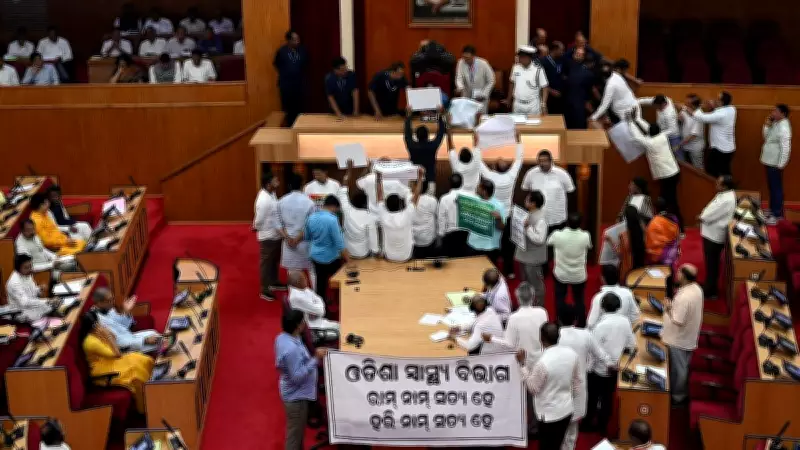
The Odisha Assembly witnessed significant disruption on March 19, 2026, as proceedings were adjourned three times due to intense opposition demands for the resignation of Health Minister Mukesh Mahaling. The controversy stems from the tragic deaths of 12 patients at a state-run hospital in Cuttack, which has sparked widespread outrage and political turmoil.
Opposition Parties Demand Immediate Action
Led by members from the Congress and BJP, opposition legislators stormed the well of the house, vociferously calling for Minister Mahaling to step down. They argued that the deaths highlight severe lapses in the state's healthcare system and demand accountability at the highest levels. The opposition emphasized that this incident reflects broader issues of negligence and mismanagement in Odisha's public health infrastructure.
Details of the Cuttack Hospital Tragedy
The crisis unfolded at a government hospital in Cuttack, where 12 patients lost their lives under circumstances that have raised serious questions about medical care standards. Initial reports suggest possible causes such as inadequate facilities, staff shortages, or procedural errors, though official investigations are ongoing. This event has not only devastated families but also ignited public anger, with many citizens expressing solidarity with the opposition's calls for justice.

Assembly Proceedings Grind to a Halt
As the opposition refused to relent, Speaker of the Assembly was forced to adjourn the house multiple times to restore order. The first adjournment occurred shortly after the session began, followed by two more as protests escalated. This parliamentary deadlock has stalled crucial legislative business, including discussions on other state matters, underscoring the gravity of the health crisis.
Government Response and Political Implications
In response, the ruling party defended Health Minister Mukesh Mahaling, stating that he is cooperating with investigations and that premature resignation could hinder the process. However, opposition leaders remain steadfast, threatening further agitation if their demands are not met. This standoff highlights deepening political fractures in Odisha and could impact upcoming state elections, with public health emerging as a key electoral issue.
Broader Impact on Odisha's Healthcare System
The incident has prompted calls for comprehensive reforms in Odisha's healthcare sector. Experts suggest that beyond political resignations, systemic changes are needed to prevent future tragedies. This includes:
- Enhanced funding for hospital infrastructure and equipment.
- Improved staffing and training for medical personnel.
- Stricter oversight and accountability mechanisms in public health facilities.
As the situation develops, all eyes are on the Odisha government to address both the immediate crisis and long-term healthcare challenges.