Nitish Kumar Steps Down as MLC, Fuelling Bihar Political Crisis
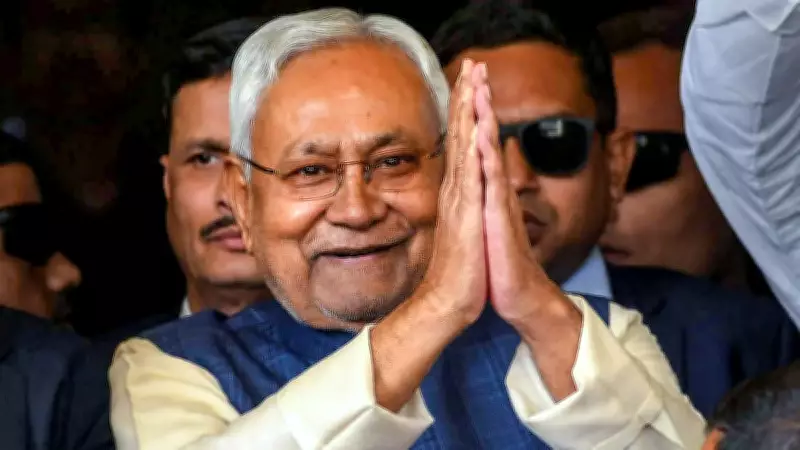
In a dramatic political development, Nitish Kumar has officially resigned from his position as a Member of the Legislative Council (MLC), setting off a frenzied countdown towards his potential exit as the Chief Minister of Bihar. This move, confirmed on March 30, 2026, has sent shockwaves through the state's political landscape, with analysts interpreting it as a clear precursor to a major leadership change in the government.
Senior Ministers Hint at JD(U)'s Bargaining Power
The resignation has been accompanied by pointed remarks from senior ministers within Kumar's own party, the Janata Dal (United) or JD(U). Notably, Shravan Kumar, a key figure in the administration, has made statements that have significantly amplified the speculation surrounding the Chief Minister's future. These comments suggest that the JD(U) is preparing to leverage its substantial political clout in any forthcoming negotiations.
The JD(U) currently holds a crucial position in the Bihar assembly, with its seat count being merely four legislators fewer than that of its alliance partner, the Bharatiya Janata Party (BJP). This narrow numerical gap provides the JD(U with considerable bargaining leverage, potentially allowing it to drive a hard bargain before conceding the top executive post to its coalition ally.

Implications for the Bihar Government Alliance
The unfolding scenario points to a period of intense political maneuvering and uncertainty in Bihar. The resignation as MLC is widely seen as a strategic step by Nitish Kumar, possibly to streamline his focus or as a procedural move ahead of a larger political transition. Observers note that the JD(U)'s ability to negotiate terms will be critical in shaping the next phase of Bihar's governance.
- The BJP, as the larger alliance partner, may be compelled to offer significant concessions to secure the chief ministerial position.
- Key policy directions and administrative priorities for Bihar could be influenced by the outcome of these inter-party discussions.
- The stability of the state government hinges on a smooth resolution of the leadership question, with both parties needing to balance their political ambitions against governance continuity.
As the political countdown accelerates, all eyes are on Patna, where decisions made in the coming days will determine the future leadership and policy trajectory of one of India's most populous and politically significant states.