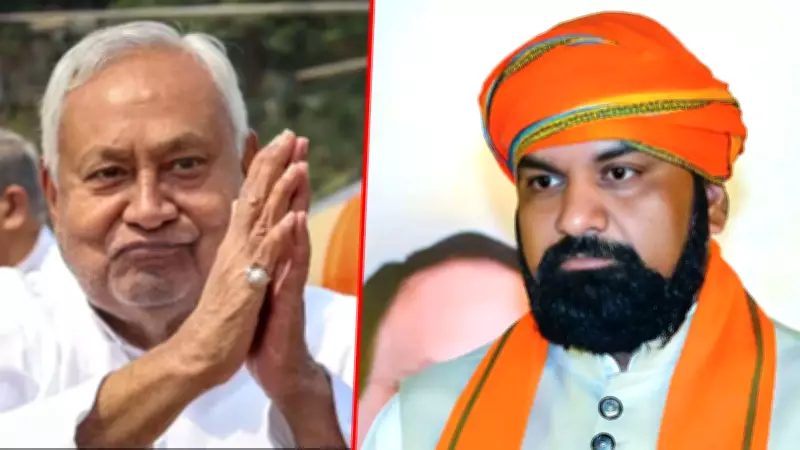
Nitish Kumar Resigns as Bihar Chief Minister After Nearly 20 Years in Power
In a monumental political development, Nitish Kumar has officially resigned from his position as the Chief Minister of Bihar, concluding a tenure that spanned nearly two decades. His departure marks the end of an era in Bihar's political landscape, where he served as a dominant figure since first assuming office in 2005.
NDA Names Samrat Choudhary as the New Chief Minister
The National Democratic Alliance (NDA) has swiftly moved to appoint Samrat Choudhary as the successor to Nitish Kumar. Choudhary, a prominent leader from the Bharatiya Janata Party (BJP), is set to take over the reins of the state government, representing a major shift in leadership dynamics within the ruling coalition.
This transition underscores the BJP's strengthened role in Bihar politics, as the party prepares to lead the state administration directly for the first time in recent history. The decision was made following extensive deliberations among NDA partners, aiming to ensure stability and continuity in governance.

Implications of the Political Shift in Bihar
The resignation of Nitish Kumar and the appointment of Samrat Choudhary are expected to have far-reaching consequences for Bihar's political and administrative framework. Key implications include:
- Governance Changes: With the BJP at the helm, there may be new policy directions and administrative reforms aimed at accelerating development projects in the state.
- Alliance Dynamics: This move could reshape the relationships within the NDA, potentially influencing future electoral strategies and coalition partnerships.
- Public Response: Citizens and political analysts are closely watching how this leadership change will impact issues such as infrastructure, education, and healthcare in Bihar.
Nitish Kumar's tenure was marked by significant initiatives in areas like law and order, women's empowerment, and economic growth. His resignation comes at a critical juncture, as Bihar faces ongoing challenges related to unemployment, agricultural distress, and urban development.
Background and Context of the Resignation
Nitish Kumar, a veteran politician from the Janata Dal (United) party, has been a central figure in Bihar politics for over two decades. His leadership saw multiple terms as Chief Minister, often in alliance with the BJP. The decision to step down is seen as a strategic move, possibly influenced by internal party dynamics and the evolving political scenario ahead of future elections.
Samrat Choudhary, known for his grassroots connect and organizational skills within the BJP, is expected to bring a fresh perspective to the Chief Minister's office. His appointment is viewed as a consolidation of the BJP's influence in Bihar, aligning with the party's broader national objectives.
As Bihar embarks on this new chapter, all eyes will be on the incoming administration to deliver on promises of progress and stability. The political realignment signals a transformative phase for the state, with potential ripple effects across India's federal structure.