Nagpur Airport Cab Strike Cripples Services, Passengers Forced to Walk in Scorching Heat
Cab services to and from Dr Babasaheb Ambedkar International Airport in Nagpur were completely paralyzed on Tuesday as drivers initiated a widespread 'no pick-up, no drop' strike. The protest, which began at midnight, effectively blocked the entry of taxis into the airport premises, leaving numerous passengers stranded and facing significant inconvenience.
Drivers' Demands: Higher Fares and Regulation of Bike Taxis
The striking drivers, represented by the Taxi Chalak Malak Sanyukt Kruti Samiti, are demanding a substantial increase in fares and strict restrictions on bike taxis. Deepak Sane, the leader of the union, articulated the grievances, stating that drivers currently earn a meager Rs9 to Rs15 per kilometer. He emphasized their demand for a minimum fare of Rs28 per kilometer to ensure sustainable livelihoods.
Sane also highlighted the issue of bike taxis, alleging that they are severely impacting cab operators' earnings. "Anyone with a bike can join these platforms, leading to around 15,000 bike rides daily, which directly affects our business," he explained. He pointed out that while cab drivers must comply with Regional Transport Office (RTO) norms, there are no such regulations for bike taxis, creating an unfair competitive environment.

Passenger Ordeal: Walking Kilometers or Paying for E-Rickshaws
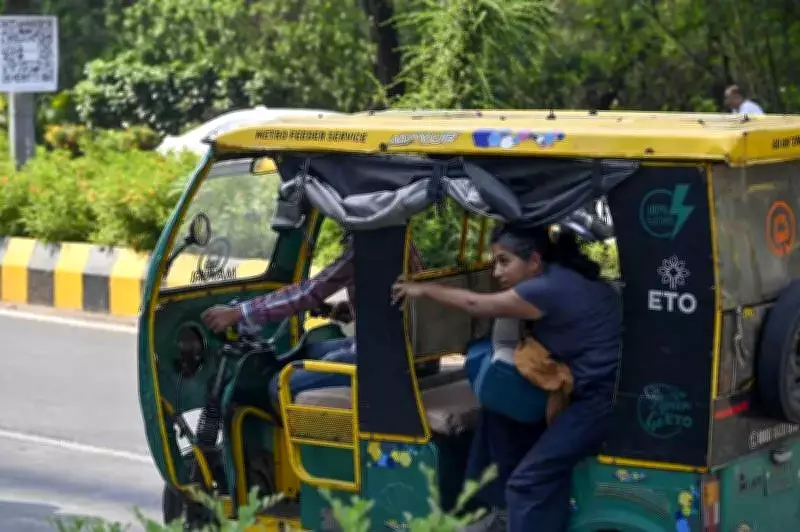
The strike forced passengers to endure considerable hardship. Many had to walk nearly a kilometer in the intense heat to reach the terminal, while others opted to pay Rs50 for e-rickshaw rides. Sane claimed that paid e-rickshaws were strategically stationed near the entry points for those unwilling to walk, though this offered little consolation to frustrated travelers.
Passengers expressed their anger and frustration over the situation. Rajesh Jitkar, who was traveling to Mumbai, shared his experience: "I had to get down and walk. Luckily, I had minimal luggage." Another passenger took to social media to vent after being asked to disembark from a cab. At the arrival terminal, passengers had to trek to the parking area where a few offline taxis were available, as app-based bookings were entirely halted by the protesters.
Police Intervention and Union's Firm Stance
On Tuesday afternoon, police arrived at the scene and issued warnings against obstructing vehicles. However, the drivers remained resolute, threatening to continue the strike indefinitely if their demands are not addressed. Even taxis not participating in the protest were prevented from entering the airport, underscoring the union's determination.
Sane defended the disruptive action, stating, "We have no choice. If inconvenience to fliers draws attention, so be it. Let the high-flying class feel the pain, maybe it will prompt someone to bother about the poor cab drivers." This sentiment reflects the drivers' desperation after their long-pending concerns were allegedly ignored.
Failed Initiative: Stalled Plan for Drivers' Own App
In a bid to reduce dependence on aggregator platforms, the union had proposed launching its own app a year ago. A presentation was made to the Nagpur Municipal Corporation (NMC) seeking support, but the plan failed to progress due to funding and technical constraints, as revealed by Sane. This setback has further fueled the drivers' frustration and contributed to the current protest.
The strike highlights ongoing tensions in the transportation sector, with cab drivers seeking better earnings and regulatory parity. As the situation unfolds, passengers remain caught in the crossfire, hoping for a swift resolution to restore normalcy at Nagpur's international airport.