Nagaland Assembly Postpones Frontier Nagaland Territorial Authority Bill for Detailed Review
The Nagaland Legislative Assembly has decided to defer the consideration and passage of the Frontier Nagaland Territorial Authority (FNTA) Bill, 2026, sending it back to the state government for a comprehensive review. This significant legislative move occurred during the concluding day of the eighth session of the 14th Nagaland assembly in Kohima.
Chief Minister Proposes Deferral Citing Legal and Constitutional Imperatives
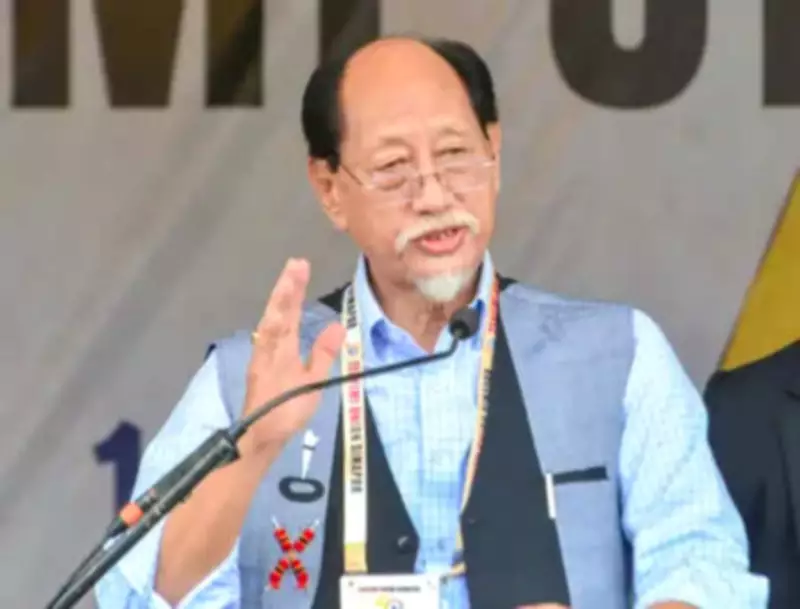
Chief Minister Neiphiu Rio proposed the deferral, emphasizing the necessity to ensure that the provisions of the Memorandum of Agreement (MoA) are addressed in a legally sound and constitutionally tenable manner. Rio highlighted that this decision was influenced by multiple factors, including a request from the Central government, which is a signatory to the MoA for establishing the FNTA.
Additionally, appeals from the Eastern Nagaland People’s Organisation (ENPO) and the Eastern Nagaland Legislators’ Union (ENLU) played a crucial role in this postponement. Following Rio's proposal, Speaker Sharingain Longkumer officially deferred the Bill to the next emergent session. He directed that the legislation be returned to the government for necessary examination and revision through the Department of Parliamentary Affairs, acknowledging the historic significance and strong public sentiment attached to the proposed FNTA.

Background and Context of the FNTA Bill
The FNTA Bill, 2026, was introduced in the Nagaland assembly by Deputy Chief Minister Yanthungo Paton on Thursday. It had been scheduled for consideration and passage on Friday, but the deferral has now altered that timeline. The Bill aims to address long-standing developmental deficits in the eastern districts of Nagaland, which have faced historical and geographical challenges.
Chief Minister Rio apprised the House that the government has consistently striven to ensure equity and inclusiveness in development across all sections and regions of the state. However, he noted that despite ongoing government initiatives and limited resources, the districts of eastern Nagaland have not achieved the same level of progress as other parts of the state, necessitating focused legislative measures like the FNTA.
Central Government and Legal Examination
Earlier, on Thursday, the Ministry of Home Affairs informed the state government that the issue of granting legislative powers to the FNTA—previously raised by the state—remains under examination. The ministry also stated that the opinion of the Solicitor General was being sought, indicating the complexity and sensitivity of the matter at the national level.
This central involvement underscores the broader implications of the FNTA Bill, which seeks to empower a territorial authority within Nagaland, potentially impacting governance and development in the region.
Appeals from Eastern Nagaland Organizations
Meanwhile, the ENPO submitted an appeal urging that the provisions of the MoA, signed on February 5, 2026, be upheld during the passage of the FNTA Bill. The ENLU also wrote to the Minister for Parliamentary Affairs, supporting the ENPO’s appeal and requesting that the Bill’s passage be deferred until all concerns are addressed and clarity on the MoA is achieved.
These appeals reflect the deep-seated aspirations and concerns of the people in eastern Nagaland, who have long advocated for greater autonomy and development through mechanisms like the FNTA.
Implications and Next Steps
The deferral of the FNTA Bill signifies a cautious approach by the Nagaland government, prioritizing legal robustness and constitutional compliance over hasty enactment. It allows for a more detailed review to align the Bill with the MoA and address any outstanding issues raised by stakeholders.
As the Bill is sent back for examination, the focus will be on revising its provisions to ensure they meet legal standards and effectively address the developmental needs of eastern Nagaland. The next emergent session of the assembly will likely see renewed discussions, with hopes for a more refined and acceptable version of the legislation.

This development marks a critical juncture in Nagaland's political landscape, balancing regional aspirations with constitutional frameworks, and setting the stage for future governance reforms in the state.