Mysuru's Pedestrian Crisis: How Encroachments Are Erasing Safe Walking Spaces
In Mysuru, a city celebrated for its orderly urban planning and heritage charm, a silent but severe issue is unfolding on its streets. Footpaths, once designed to provide safe passage for pedestrians, are steadily disappearing due to rampant encroachments. This transformation has turned the simple act of walking into a risky endeavor, forcing residents to navigate busy roads and exposing them to heightened dangers from vehicular traffic.
The Gradual Loss of Public Walkways
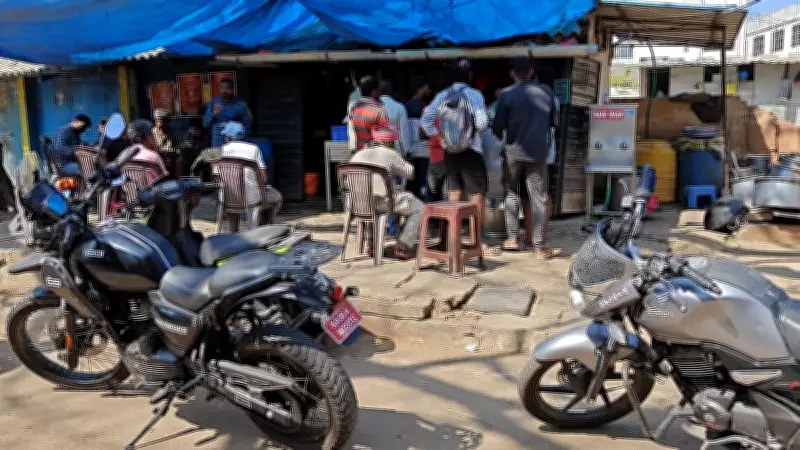
Over recent years, unauthorized constructions and commercial activities have increasingly occupied footpaths across Mysuru. Shops, street vendors, parked vehicles, and even permanent structures have claimed these public spaces, leaving little room for pedestrians. This encroachment is not limited to isolated areas but has become widespread, affecting both residential neighborhoods and commercial hubs. The result is a fragmented network of walkways that fails to serve its intended purpose, undermining the city's reputation for livability.
Implications for Pedestrian Safety and Urban Governance
The disappearance of footpaths has direct consequences for public safety. Pedestrians, including children, the elderly, and daily commuters, are compelled to walk on roads, increasing their vulnerability to accidents. This situation highlights broader failures in urban governance and enforcement of regulations. Local authorities have struggled to address the encroachments effectively, often due to:
- Inadequate monitoring and lax enforcement of zoning laws
- Political or commercial pressures that hinder clearance drives
- Lack of public awareness or advocacy for pedestrian rights
Moreover, the issue reflects a neglect of sustainable urban development principles, where pedestrian infrastructure is sidelined in favor of vehicular mobility.
Broader Context and Call for Action
Mysuru's footpath crisis is part of a larger pattern seen in many Indian cities, where rapid urbanization often outpaces planned infrastructure. However, given Mysuru's status as a UNESCO-recognized heritage city and a model for urban planning, the loss of footpaths is particularly ironic. It underscores the need for:
- Stricter enforcement of anti-encroachment laws with regular audits
- Community engagement to promote pedestrian-friendly initiatives
- Integration of footpath maintenance into broader urban renewal projects
Without prompt intervention, the erosion of walking spaces could exacerbate traffic congestion, pollution, and public health issues, detracting from the city's quality of life.