MMRDA Defends Controversial Mira-Bhayander Flyover Design Amid Public Criticism
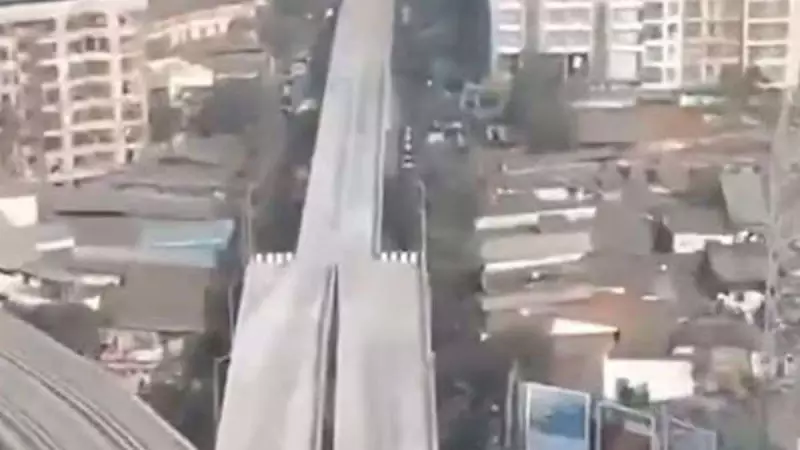
The Mumbai Metropolitan Region Development Authority (MMRDA) has come under intense scrutiny for its design of the newly constructed Mira-Bhayander flyover, which has sparked significant public outcry. The primary point of contention revolves around the flyover's configuration, where a four-lane structure abruptly narrows down to just two lanes at certain sections. This design choice has raised serious concerns among residents and commuters, who fear it will exacerbate the already severe traffic congestion in the bustling Mumbai Metropolitan Region.
Technical and Safety Constraints Cited by MMRDA
In response to the mounting criticism, MMRDA officials have stepped forward to defend the design, attributing the lane reduction to a combination of technical constraints and safety considerations. According to the authority, the narrowing of lanes is not an oversight but a deliberate decision made to accommodate existing infrastructure and ensure the structural integrity of the flyover. The officials emphasized that the design was meticulously planned to align with the surrounding road network and to prevent potential hazards that could arise from a wider structure in densely populated areas.
The authority has stated that the two-lane sections are strategically placed to manage traffic flow more efficiently, rather than causing bottlenecks. They argue that this approach allows for smoother transitions between different parts of the flyover and reduces the risk of accidents, particularly in high-traffic zones. However, this explanation has done little to assuage the fears of local residents, who have long struggled with chronic traffic jams and are skeptical of any design that appears to limit capacity.

Public and Expert Reactions to the Design
The public reaction to the Mira-Bhayander flyover design has been overwhelmingly negative, with many taking to social media and local forums to voice their frustrations. Commuters argue that the lane reduction contradicts the very purpose of building a flyover, which is to alleviate congestion by providing additional lanes for vehicles. They point out that such a design could lead to increased travel times, especially during peak hours, and may even force traffic to spill over onto already congested surface roads.
Urban planning experts have also weighed in on the controversy, suggesting that the design might reflect broader issues in infrastructure planning within the Mumbai Metropolitan Region. Some experts have called for a more holistic approach to traffic management, recommending that future projects incorporate advanced modeling and public consultation to avoid similar pitfalls. The criticism extends beyond just the flyover itself, touching on the need for more transparent and accountable governance in public infrastructure projects.
Broader Implications for Mumbai's Infrastructure
This controversy over the Mira-Bhayander flyover highlights the ongoing challenges faced by Mumbai in managing its rapid urbanization and growing population. As one of India's most populous metropolitan areas, the region requires robust and forward-thinking infrastructure solutions to keep pace with demand. The MMRDA's defense of the design underscores the complex balancing act between technical feasibility, safety, and public convenience.
Looking ahead, this incident may prompt a reevaluation of how infrastructure projects are planned and executed in Maharashtra. Stakeholders, including government bodies, urban planners, and the public, will likely demand greater involvement in the decision-making process to ensure that new developments truly serve the needs of the community. For now, the Mira-Bhayander flyover remains a focal point of debate, symbolizing the broader struggles of modernizing urban spaces in India.