MK Stalin Sounds Poll Warning to BJP, Frames Election as 'Delhi vs Tamil Nadu' Battle
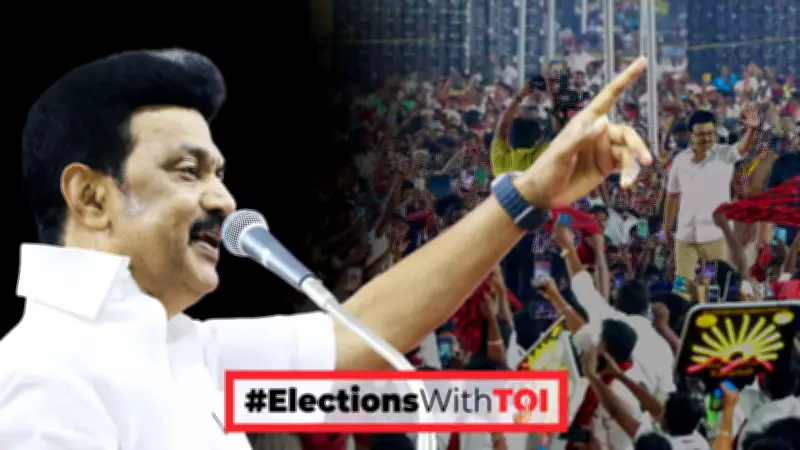
Chief Minister MK Stalin of Tamil Nadu has launched the state's election campaign with a powerful political declaration, framing the contest as a direct confrontation between regional autonomy and central authority. After filing his nomination from the Kolathur constituency, Stalin delivered a sharp warning to the Bharatiya Janata Party (BJP), positioning the election as a critical fight for Tamil Nadu's identity and rights.
Stalin's Nomination as a Symbol of State Resistance
Stalin transformed the routine act of nomination filing into a significant political event. During a vibrant roadshow, he confidently asserted that the election represents a struggle between Tamil Nadu and Delhi, emphasizing his role as a defender of the state's regional identity. This narrative strategically challenges the BJP's influence in the south, casting the DMK-led alliance as the guardian of Tamil pride and federal principles.
The DMK has meticulously structured its seat-sharing strategy to consolidate support, aiming to present a united front against national parties. Stalin's remarks signal a robust campaign push, focusing on themes of self-governance and resistance to perceived overreach by the central government.

Vijay's Entry Adds New Energy to the Political Arena
However, the political landscape in Tamil Nadu is far from predictable. The entry of popular actor Vijay with his newly formed party, Tamilaga Vettri Kazhagam (TVK), has injected fresh dynamism into the election. TVK's appeal, particularly among young voters, is making the contest more competitive and multifaceted.
Vijay's framing of a "people's alliance" versus established coalitions introduces a new dimension, potentially disrupting traditional voter loyalties. His decision to contest from Perambur and Trichy East underscores his commitment to grassroots engagement, adding to the election's complexity.
Campaigns Shift Focus to Broader Themes
As campaigns intensify across Tamil Nadu, the discourse is evolving beyond mere governance issues. Key themes now include:
- Federalism: Debates over state rights and central-state relations.
- Identity: Preservation of Tamil culture and linguistic heritage.
- Political Autonomy: Demands for greater decision-making power at the state level.
This shift reflects a deeper ideological battle that could influence voter sentiment significantly. The outcome of this election is poised to not only shape Tamil Nadu's future trajectory but also impact the national political discourse, especially regarding regionalism and federal structure in India.
With multiple forces at play—from Stalin's assertive regionalism to Vijay's populist appeal—the Tamil Nadu election promises to be a closely watched and highly consequential political event.