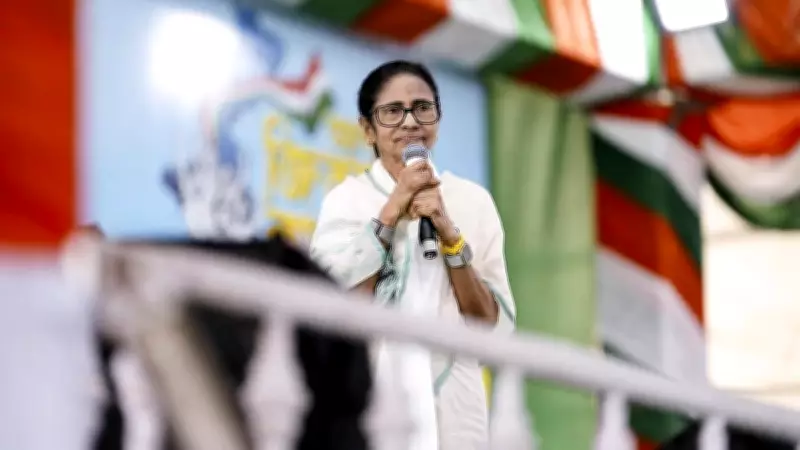
Mamata Banerjee Alleges BJP's Delimitation Plan to Trifurcate West Bengal
West Bengal Chief Minister Mamata Banerjee has made a serious accusation against the Bharatiya Janata Party (BJP), claiming that the party intends to conduct a delimitation exercise aimed at trifurcating the state of West Bengal. This statement comes as political tensions escalate in the lead-up to the West Bengal Assembly Elections in 2026.
Details of the Alleged Plan
According to Banerjee, the proposed delimitation would involve splitting West Bengal into three separate parts. She further alleged that as part of this plan, certain areas of West Bengal could be merged with neighboring states such as Bihar or Odisha. The Chief Minister expressed deep concern over the potential consequences of such a move, warning that it would result in significant hardships for the Bengali population residing in those affected regions.
Banerjee emphasized that this strategy is politically motivated and could disrupt the cultural and administrative integrity of West Bengal. She urged the public to remain vigilant and united against what she described as a divisive agenda by the BJP.

Political Context and Implications
This allegation adds a new layer of complexity to the already heated political landscape in West Bengal. The state has been a battleground between the ruling Trinamool Congress (TMC) and the BJP in recent years, with both parties vying for dominance. The 2026 Assembly elections are seen as a critical juncture that could shape the future of West Bengal's governance and policies.
Banerjee's claims highlight the ongoing debates over federalism, state boundaries, and electoral processes in India. Delimitation, which involves redrawing electoral constituencies, is a sensitive issue that can influence voter demographics and political outcomes. If implemented, such an exercise could alter the political dynamics in West Bengal, potentially favoring one party over another.
Reactions and Broader Impact
While the BJP has not yet officially responded to these allegations, political analysts suggest that this could spark a fierce debate in the coming months. The potential merger of parts of West Bengal with other states raises questions about:
- Administrative efficiency and resource allocation.
- Cultural identity and linguistic preservation for Bengalis.
- Economic disparities and development challenges in border areas.
Banerjee's warning about hardships for Bengalis underscores the human aspect of such political maneuvers, focusing on the everyday lives of citizens who might face disruptions in services, identity, and community cohesion.
As the election season approaches, this issue is likely to become a central theme in campaign rhetoric, with both sides leveraging it to mobilize support. The outcome could have lasting effects on West Bengal's political landscape and its relationship with the central government.