Land Mutation Scandals and Advocates Act Take Center Stage in Jharkhand Assembly
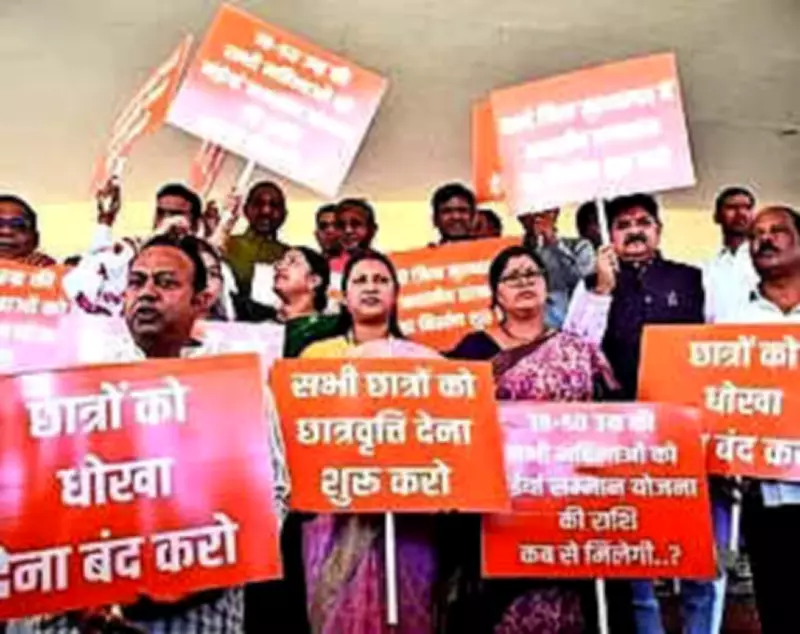
The opening session of the Jharkhand state assembly on Friday was dominated by heated discussions on widespread irregularities and corruption in land mutation processes and the issuance of receipts. Members of the Legislative Assembly (MLAs) also raised critical issues regarding the implementation of the Advocates Protection Act and other pressing matters.
Allegations of Corruption in Land Transactions
During the proceedings, MLA Rajesh Kachhhap highlighted a significant problem, claiming that individuals who purchased land before the year 2000 have been unable to complete the mutation process. He demanded immediate governmental intervention to resolve this long-standing issue.
Leader of Opposition Babulal Marandi intensified the debate by alleging that land receipts are not being issued without the payment of bribes, pointing to systemic corruption within the revenue department. In response, MLA Navin Jaiswal proposed a practical solution, urging the government to organize special camps aimed at digitizing all land records to enhance transparency and efficiency.
Government Response and Assurances
Deepak Birua, the state minister for revenue, registration, and land reforms, addressed the assembly with assurances. He acknowledged the existing faults in the mutation process and committed to removing these deficiencies. Furthermore, Minister Birua warned that strict action would be taken against any officers found guilty of misconduct or corruption.
Debate on Advocates Protection Act
Another focal point of the session was the implementation of the Advocates Protection Act. MLA Pradeep Prasad directly questioned the state government on its plans to enact this legislation. Minister Deepak Birua clarified that the issue falls under the jurisdiction of the Bar Council of India, but assured that the state government is actively considering various aspects related to the welfare and protection of advocates.
Health Infrastructure Concerns in Torpa
Torpa MLA Sudip Gudia brought attention to critical deficiencies in local healthcare infrastructure. He informed the House that the Torpa referral hospital lacks essential equipment, including an ultrasound machine, and does not have an anaesthetist on staff. This forces pregnant women to be transported to other hospitals for basic medical care.
In response, Health Minister Irfan Ansari provided reassurance, stating that an ultrasound machine would soon be made operational at the Torpa health facility to address this urgent need.
Broader Context and Implications
The assembly session underscored persistent governance challenges in Jharkhand, from land administration to healthcare delivery. The discussions reflect ongoing efforts to combat corruption and improve public services, with ministers pledging corrective measures. As these issues unfold, they highlight the critical role of legislative oversight in driving accountability and reform within the state.