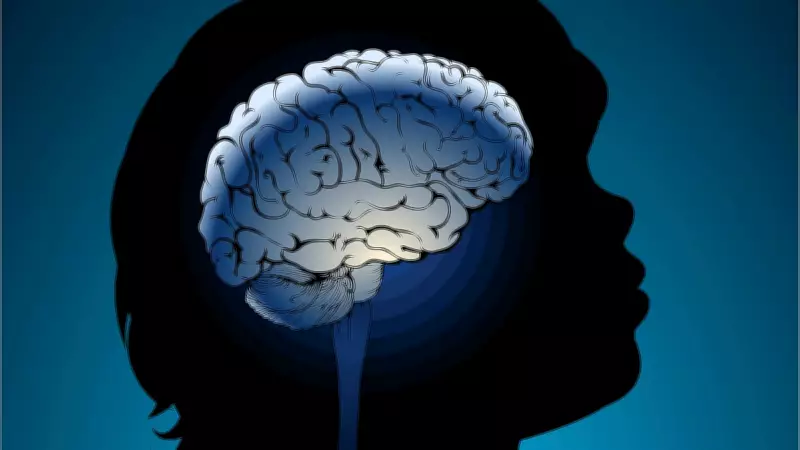
The Human Brain: Nature's Ultimate Supercomputer Within Us
In the realm of biological marvels, the human brain stands as the most sophisticated and intricate system known to science. Often likened to a supercomputer, this organ within our skulls orchestrates every thought, emotion, and action with a precision that surpasses even the most advanced artificial technologies. This article delves into the fascinating parallels between the brain and computers, highlighting its unparalleled capabilities and the ongoing quest to understand its mysteries.
Processing Power Beyond Compare
The human brain operates as a biological supercomputer, processing an estimated 86 billion neurons that form trillions of connections, known as synapses. This neural network enables the brain to handle vast amounts of information simultaneously, from sensory inputs to complex problem-solving tasks. Unlike conventional computers that rely on binary code, the brain uses electrochemical signals, allowing for nuanced and adaptive responses that machines struggle to replicate.
Memory and Storage: A Dynamic System
One of the brain's most remarkable features is its memory capacity, which functions as a dynamic and ever-evolving storage system. It can store an estimated 2.5 petabytes of data, equivalent to millions of gigabytes, through processes like synaptic plasticity. This allows for learning, recall, and the integration of new information, making the brain far more flexible than rigid digital storage devices.

Energy Efficiency and Self-Repair
Despite its immense processing power, the human brain is incredibly energy-efficient, consuming only about 20 watts of power—less than a standard light bulb. Moreover, it possesses self-repair mechanisms, such as neurogenesis and neural plasticity, which enable recovery from injuries and adaptation to new challenges. In contrast, computers require external maintenance and lack innate healing abilities.
Challenges in Replication
While artificial intelligence and computing technologies have made strides in mimicking brain functions, they fall short in several key areas:
- Emotional Intelligence: The brain integrates emotions with cognition, a feature absent in machines.
- Creativity and Intuition: Human brains excel at abstract thinking and innovation, driven by subconscious processes.
- Consciousness: The subjective experience of awareness remains a profound mystery that computers cannot replicate.
Future Implications and Research
Understanding the brain as a supercomputer has significant implications for fields like neuroscience, medicine, and technology. Ongoing research aims to:
- Decode neural patterns to treat neurological disorders such as Alzheimer's and Parkinson's disease.
- Develop brain-computer interfaces that enhance human capabilities, from prosthetics to cognitive augmentation.
- Inspire new computing architectures, like neuromorphic chips, that mimic the brain's efficiency.
As scientists continue to unravel the brain's complexities, it remains a testament to nature's ingenuity—a computer within us that defines our very humanity.