Kolkata Auto Crisis: Fuel Shortage & Price Surge Force Drivers to Adopt 'Kata Routes'
A sharp rise in auto LPG prices and persistent fuel shortages have created a severe transportation crisis in Kolkata, pushing auto operators to increasingly adopt 'kata routes' or truncated trips. This practice is leaving daily commuters stranded and forcing them to pay significantly more than usual to complete their journeys across the city.
Commuters Bear the Brunt of Rising Costs
According to daily commuters, what was once an occasional inconvenience has now become the new normal in Kolkata's transportation landscape. Shankar Ghosh, an employee with an NGO, highlighted the financial strain, stating: "I am spending one third of my earning on autos, as buses are fewer and less reliable."
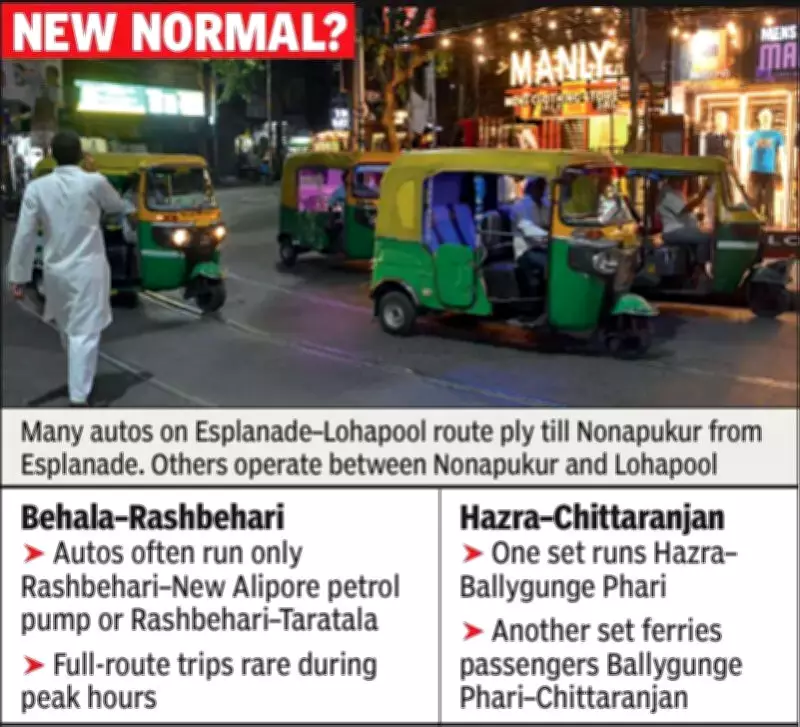
On several busy corridors, particularly during peak hours, autos no longer run their full designated routes. Instead, drivers are breaking journeys into shorter segments to carry more passengers in less time. This strategy helps them compensate for rising fuel costs and the hours lost waiting in long queues for LPG refills.
The Economic Reality Behind Route Truncation
Auto operators openly admit that the shift to kata routes is driven purely by economic necessity. The steep rise in auto LPG prices, coupled with extended waiting times at filling stations, has drastically reduced the number of trips they can complete in a single day.
"Sometimes we spend more than an hour in queue for gas. With fuel becoming increasingly expensive and valuable time lost in queues, we have to recover these costs somehow," explained Pawan Sau, an auto driver operating on the busy Behala–Rashbehari route.
One commuter waiting near Rashbehari crossing during evening rush hour described the practical impact: "Earlier, an auto would take us directly from Behala to Rashbehari. Now, we have to change autos midway and pay twice or even three times the usual fare to complete the entire route."
Routes Most Affected by the Practice
The problem has become particularly visible on routes where auto unions have resisted fare revisions or where authorities have forced operators to roll back previously implemented fare increases. In such cases, drivers say truncating routes represents their only viable option to maintain sustainable earnings.
On key corridors like:
- Esplanade to Lohapool
- Hazra to Chittaranjan
Most autos are now refusing to run the full length of their designated routes. This fragmentation of service has created additional challenges for commuters who must now navigate multiple transfers and increased costs during their daily travels.
Broader Implications for Kolkata's Transportation
The auto LPG crisis in Kolkata highlights several interconnected issues:
- Fuel availability challenges creating operational bottlenecks
- Economic pressures on auto drivers facing rising costs
- Commuters caught between limited transportation options and increased expenses
- Systemic strain on Kolkata's public transportation network
As the situation continues to evolve, both commuters and auto operators are seeking sustainable solutions that address the root causes of the fuel shortage and pricing issues while maintaining accessible and affordable transportation options for Kolkata's residents.