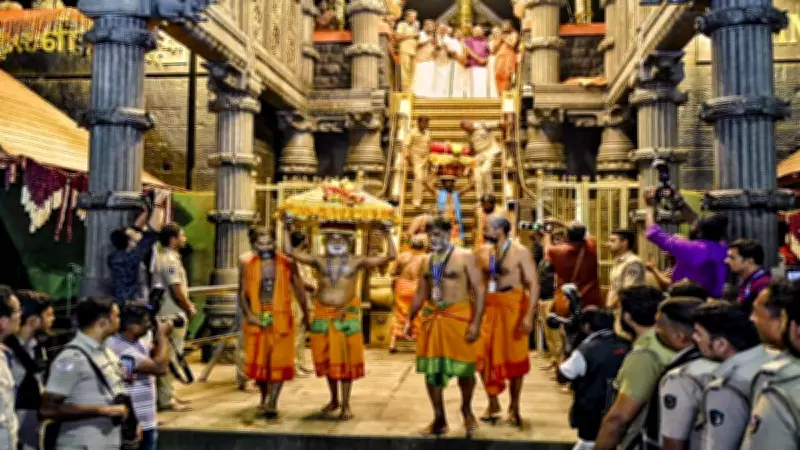
Kerala Government Reverses Course on Sabarimala Temple Entry for Women
In a significant policy reversal, the Left Democratic Front (LDF) government in Kerala has announced its support for the traditional ban on women of menstruating age, specifically those between 10 and 50 years old, from entering the Sabarimala Temple. This decision marks a departure from the state's earlier stance, which had advocated for allowing women of all ages to worship at the hill shrine.
Chief Minister Pinarayi Vijayan Cites Religious Traditions
Chief Minister Pinarayi Vijayan, addressing the media, emphasized that the government now respects the long-standing customs and traditions associated with the Sabarimala Temple. He stated that the administration is committed to upholding the religious sentiments of devotees and ensuring the sanctity of the temple's practices. This move is seen as an effort to balance legal directives with cultural heritage, following years of legal battles and public protests over the issue.
Background and Legal Context of the Sabarimala Controversy
The Sabarimala Temple, dedicated to Lord Ayyappa, has been at the center of a heated debate regarding gender equality and religious freedom. In 2018, the Supreme Court of India ruled that the ban on women of menstruating age was unconstitutional, allowing them to enter the temple. However, this decision faced strong opposition from traditionalists and led to widespread protests across Kerala. The LDF government, which initially supported the Supreme Court verdict, has now shifted its position, aligning with the sentiments of a significant section of the devotees.
Implications and Reactions to the Government's U-Turn
Political and Social Ramifications: This policy reversal is expected to have far-reaching implications in Kerala's political landscape. It may bolster the government's support among conservative voters while drawing criticism from women's rights groups and progressive factions. The decision underscores the complex interplay between law, religion, and politics in India.
Public Response: Initial reactions have been mixed, with some welcoming the move as a victory for tradition, while others condemn it as a setback for gender equality. Activists have expressed disappointment, arguing that it reinforces discriminatory practices against women.
Future Outlook and Ongoing Debates
The Sabarimala issue continues to be a contentious topic, with ongoing legal challenges and public discourse. The Kerala government's latest stance may influence future court proceedings and policy decisions related to religious institutions across the country. As the debate evolves, it highlights the broader challenges of reconciling modern legal norms with ancient customs in a diverse society like India.