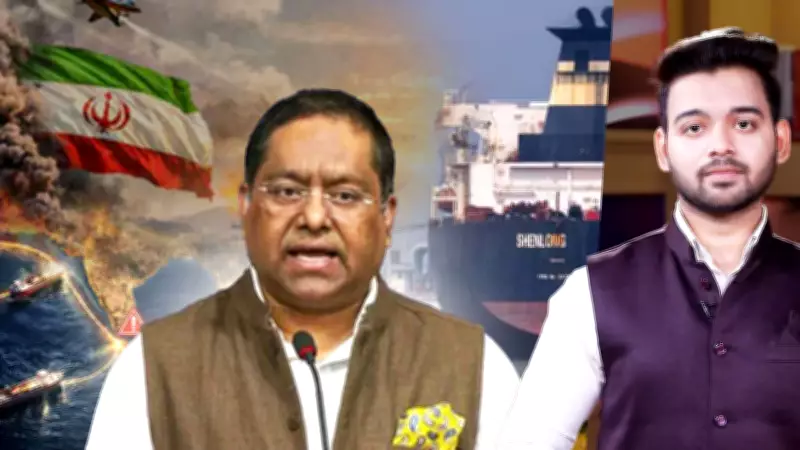
India Emerges as Key Energy Partner for South Asia Amid Gulf Route Disruptions
As the ongoing conflict in West Asia continues to disrupt critical oil supply routes, South Asia is experiencing a significant and quiet transformation in its energy landscape. Countries including Nepal, Bangladesh, and Sri Lanka have formally approached India, seeking emergency fuel assistance to mitigate fears of potential shortages. This strategic shift underscores India's growing role as a regional energy stabilizer during times of global uncertainty.
Regional Energy Dynamics Shift Toward India
The tensions surrounding the vital Strait of Hormuz have created substantial volatility in global energy markets, compelling governments across South Asia to urgently explore alternative supply sources. In response, these nations have turned to India, leveraging its substantial refining capacity and strategic geographic position. Officials from India's Ministry of External Affairs have confirmed that multiple requests for additional fuel exports are currently under active examination, with careful consideration being given to each proposal.
India's refining infrastructure, supported by major corporations such as the Indian Oil Corporation, is now positioning the country as an indispensable energy partner for its immediate neighbors. This development not only addresses immediate supply concerns but also fosters deeper economic and diplomatic ties within the region.

Balancing Domestic Needs with Regional Responsibilities
While India evaluates these requests for fuel assistance, any final decision will meticulously account for its own domestic energy security requirements. The government is tasked with navigating a complex balance between supporting neighboring nations and ensuring stable fuel supplies for its vast population of over 1.4 billion people. This cautious approach reflects India's commitment to both regional solidarity and national priorities.
Analysts observing the situation suggest that this energy crisis could substantially strengthen India's regional influence, while simultaneously reinforcing its image as a stable and reliable international partner. By stepping into this role, India is not only providing immediate relief but also shaping long-term energy partnerships that could redefine South Asian cooperation.
Broader Implications for South Asian Stability
The current scenario highlights several critical aspects of regional geopolitics:
- Energy Security: The disruption of Gulf energy routes has exposed vulnerabilities in South Asia's supply chains, making diversification through Indian partnerships increasingly vital.
- Diplomatic Leverage: India's capacity to assist during crises enhances its diplomatic standing, potentially leading to stronger bilateral and multilateral agreements.
- Economic Integration: Increased energy cooperation could pave the way for broader economic integration, fostering stability and growth across the region.
As the situation evolves, the responses from India and its neighbors will be closely monitored by global markets and policymakers alike. The outcome of these discussions could set a precedent for future regional energy collaborations, emphasizing India's pivotal role in maintaining South Asian energy security amidst global disruptions.