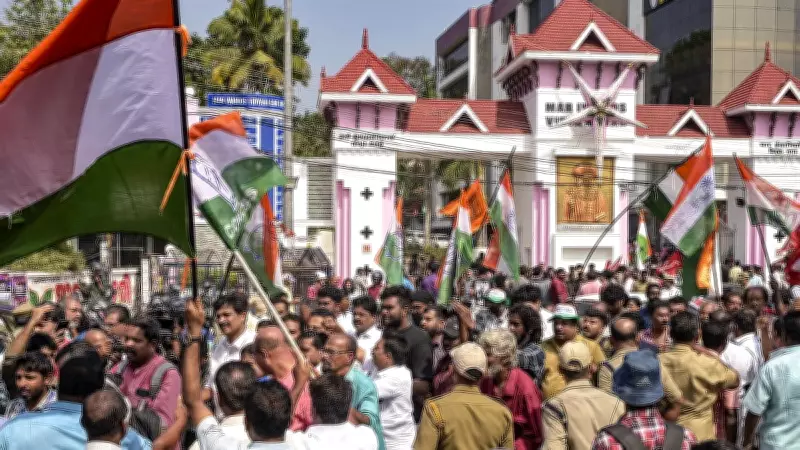
Kerala Election Campaigns Adapt to Scorching Heat with Health-Focused Strategies
As the 2026 Kerala Assembly elections heat up, political candidates are facing not just political challenges but also extreme weather conditions. The India Meteorological Department (IMD) has issued stern warnings about hot and humid conditions sweeping across the state, with temperatures reaching alarming highs that threaten to disrupt traditional campaign activities.
IMD Warnings Prompt Campaign Adjustments
The IMD alerts have forced campaign teams to rethink their strategies entirely. With temperatures soaring well above seasonal averages, candidates can no longer rely on the usual marathon rallies and door-to-door canvassing without significant health risks. The meteorological department's forecasts indicate that this heatwave is not just a temporary spike but a sustained pattern that will persist through crucial campaign phases.
Hydration Becomes Central Campaign Strategy
Political camps across Kerala have made hydration their number one priority. Campaign managers are implementing strict water intake schedules for candidates, ensuring they consume adequate fluids before, during, and after every public appearance. Many candidates now travel with personal hydration kits containing electrolyte solutions and coconut water, which are particularly effective in Kerala's humid conditions.

Key hydration practices being adopted include:
- Mandatory water breaks every 30 minutes during outdoor events
- Strategic placement of water stations along campaign routes
- Medical teams monitoring candidates for signs of dehydration
- Special attention to elderly candidates and those with pre-existing conditions
Simple Diets Replace Traditional Campaign Feasts
Gone are the days of heavy political feasts and rich foods during campaign stops. Candidates are now opting for light, nutritious meals that provide sustained energy without causing digestive discomfort in the heat. Traditional Kerala foods like kanji (rice porridge), steamed vegetables, and fresh fruits have become staples on campaign menus.
Nutritionists working with political teams emphasize the importance of avoiding oily and spicy foods that can exacerbate heat-related stress. Instead, they recommend small, frequent meals that maintain blood sugar levels and prevent energy crashes during long campaign days.
Campaign Schedules Reorganized Around Heat
Political parties have completely restructured their campaign timetables to avoid the hottest parts of the day. Morning and evening events have become the norm, with midday reserved for indoor meetings and strategy sessions. This shift represents a significant departure from traditional Kerala election campaigning, which often featured all-day outdoor events.
The heat adaptation measures extend beyond candidates to include campaign workers and volunteers, who now receive similar health guidance and protective measures. This holistic approach ensures that entire campaign teams remain functional and effective despite the challenging weather conditions.
Long-Term Implications for Kerala Politics
This election season may establish new norms for how political campaigns are conducted in tropical climates. The health-focused adaptations being pioneered in Kerala could influence election strategies across India's southern states, where similar weather patterns prevail during election seasons.
As candidates continue their campaigns across Kerala's diverse constituencies, their ability to maintain health and stamina in extreme heat may become an unexpected factor in voter perception and ultimately, electoral success.