

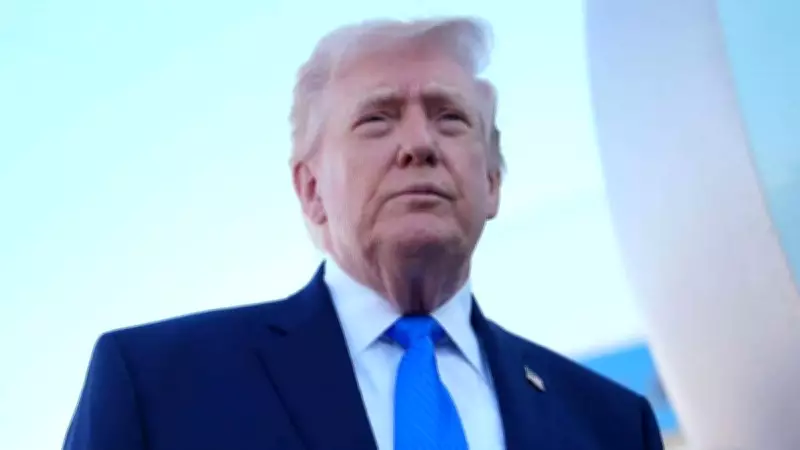
Trump Warns NATO Allies of Abandonment Over Gulf Support Issues
In a stark declaration that has sent ripples through international diplomatic circles, former US President Donald Trump has issued a severe warning to NATO allies. He stated that he would consider abandoning these nations if they do not provide adequate support for US interests in the Gulf region. This remark underscores a significant shift in US foreign policy rhetoric, emphasizing a transactional approach to alliances.
The 'Never Forget' Stance on Gulf Support
Trump's comments, made during a recent public address, highlighted his firm stance on the matter. He emphasized that US presidents will "never forget" instances where allies fail to back American initiatives in critical areas like the Gulf. This perspective suggests a potential reevaluation of NATO's role and commitments under his leadership, should he return to power.
The Gulf region, known for its strategic importance due to oil resources and geopolitical tensions, has been a focal point of US foreign policy for decades. Trump's threat implies that support in this area is non-negotiable for maintaining strong bilateral ties with the United States.

Implications for NATO and International Relations
This development could have profound implications for NATO's cohesion and global stability. Key points to consider include:
- Strain on Alliances: Trump's remarks may strain relationships with long-standing European allies, who rely on NATO for collective security.
- Shift in Policy: It signals a possible move away from traditional multilateralism towards a more unilateral US foreign policy approach.
- Global Reactions: Other nations, particularly in the Middle East, might reassess their diplomatic strategies in response to this stance.
Experts warn that such rhetoric could undermine trust within NATO, potentially weakening the alliance's effectiveness in addressing global challenges. The timing of these comments, amid ongoing conflicts and economic uncertainties, adds to the urgency of the situation.
Historical Context and Future Outlook
Trump's history of criticizing NATO for what he perceives as unfair burden-sharing is well-documented. During his presidency, he often pressured allies to increase defense spending, framing it as a matter of fairness. This latest threat extends that logic to specific regional support, particularly in the Gulf.
Looking ahead, if Trump were to implement such policies, it could lead to:
- Increased isolation for the US in international forums.
- A realignment of alliances as countries seek alternative partnerships.
- Potential escalation of tensions in the Gulf region without unified Western support.
As the world watches closely, the response from NATO members and other global powers will be crucial in shaping the future of international diplomacy. This episode highlights the ongoing debate over the balance between national interests and collective security in an increasingly complex geopolitical landscape.






