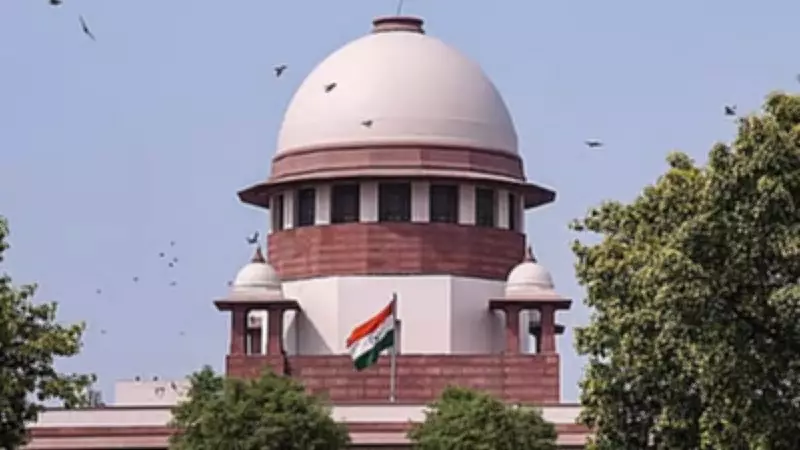
Karnataka Government Reports Completion of Duties to Supreme Court for Bengaluru Municipal Elections
The Karnataka government has formally informed the Supreme Court of India that it has successfully published the final ward reservation notices and completed all necessary responsibilities in preparation for the upcoming municipal corporation elections in the Greater Bengaluru area. This crucial update comes in direct response to a specific judicial directive issued earlier this year, which mandated the timely completion of the electoral process.
Supreme Court's January Directive Sets Clear Deadline
On January 12, 2026, the Supreme Court issued a significant order directing the Karnataka state administration to ensure that elections for the five municipal corporations within the Greater Bengaluru region are conducted and concluded no later than June 30, 2026. This judicial instruction was aimed at ensuring the democratic process proceeds without unnecessary delays, allowing for the establishment of duly elected local governance bodies.
The court's directive emphasized the importance of adhering to constitutional timelines and upholding the principles of local self-governance. It placed a clear onus on the state government to expedite all preparatory steps, including the critical task of finalizing and publishing ward reservations, which are essential for conducting free and fair elections.

State Government Confirms Full Compliance with Judicial Order
In its latest submission to the Supreme Court, the Karnataka government has asserted that it has fully discharged its duties as required by the court's order. The state authorities have confirmed the publication of the final ward reservation notices, a procedural milestone that delineates the electoral boundaries and reservation categories for the municipal wards.
This step is fundamental to the electoral process, as it determines the structure of constituencies and ensures adequate representation for scheduled castes, scheduled tribes, women, and other reserved categories as per statutory provisions. By completing this task, the government has moved closer to facilitating the actual conduct of polls.
Furthermore, the state has reported that all other associated responsibilities, which may include administrative preparations, logistical arrangements, and compliance with legal formalities, have been satisfactorily completed. This comprehensive compliance is intended to demonstrate the government's commitment to following the Supreme Court's directives and enabling smooth municipal elections.
Implications for Bengaluru's Democratic Process
The timely completion of these pre-election formalities is pivotal for the democratic functioning of Bengaluru, one of India's major metropolitan regions. The five municipal corporations in the Greater Bengaluru area play a crucial role in local governance, overseeing urban planning, infrastructure development, public services, and civic administration.
Holding elections by the stipulated deadline of June 30, 2026, will ensure that these corporations are led by elected representatives, thereby enhancing accountability and public participation in municipal affairs. The state government's proactive steps, as reported to the Supreme Court, are seen as a positive development toward achieving this goal.
Legal experts and political observers have noted that this compliance helps avoid potential contempt proceedings and reinforces the rule of law. It also sets a precedent for other states regarding adherence to judicial timelines in electoral matters, promoting efficiency and transparency in the democratic process.
As the situation progresses, all stakeholders, including political parties, civil society organizations, and citizens, will be closely monitoring the subsequent stages of the election process to ensure that the polls are conducted impartially and within the prescribed timeframe.