Karnataka Governor Advocates for Shelving Hate Speech Legislation
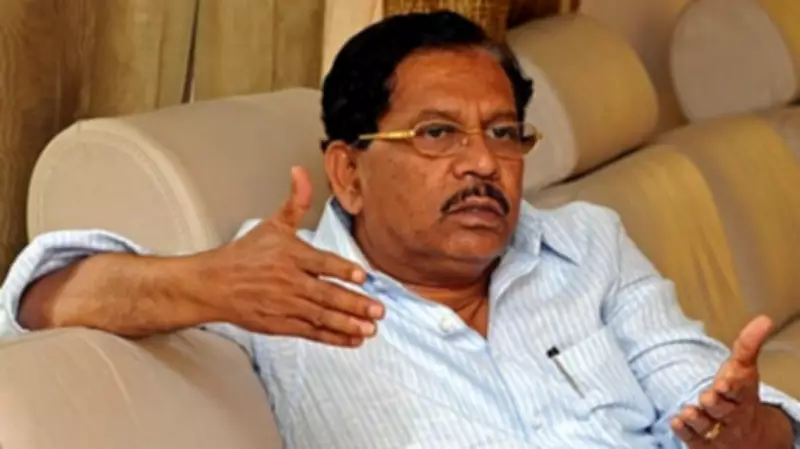
In a significant development in Karnataka's legislative landscape, Governor Thaawar Chand Gehlot has expressed strong reservations about the proposed hate speech and hate crimes bill, urging for it to be shelved. This revelation came from Karnataka Minister G Parameshwara, who addressed the media on February 2, 2026, shedding light on the governor's stance and the procedural steps taken.
Governor's Detailed Objections to the Bill
According to Minister Parameshwara, Governor Gehlot has raised substantial concerns regarding the bill, questioning a total of 28 specific points. These objections highlight potential flaws or areas requiring clarification in the legislation, which aims to curb hate speech and related crimes in the state. The governor's detailed scrutiny underscores the complexity and sensitivity of such laws, which often balance free speech with social harmony.
The bill has now been referred to the President of India, a move that indicates the gravity of the issues raised. This referral process is a constitutional step that can lead to further review or amendments, potentially delaying or altering the bill's passage. Minister Parameshwara emphasized that this action reflects the governor's commitment to ensuring robust and legally sound legislation.

Political Implications and Public Response
The shelving of the hate speech bill could have far-reaching implications for Karnataka's political environment. Hate speech and crimes are critical issues in the state, often linked to communal tensions and social unrest. By advocating for the bill's shelving, Governor Gehlot may be signaling a cautious approach to avoid unintended consequences or legal challenges.
- Minister Parameshwara's disclosure has sparked debates among political circles and civil society groups.
- Supporters of the bill argue that it is necessary to protect vulnerable communities and maintain public order.
- Critics, however, may view the governor's move as a check on potential overreach or infringement on free expression.
This development comes amid ongoing discussions about hate speech laws across India, with Karnataka often at the forefront due to its diverse demographic and historical context. The state government's response to the governor's recommendations will be closely watched, as it could set a precedent for similar legislation in other regions.
Next Steps and Future Outlook
With the bill now before the President, the next steps involve a thorough review at the national level. This process may include:
- Consultations with legal experts and stakeholders to address the 28 points raised by Governor Gehlot.
- Potential amendments to the bill to align with constitutional principles and practical enforcement mechanisms.
- A decision on whether to proceed, modify, or shelve the legislation entirely, based on the President's assessment.
Minister Parameshwara's remarks have highlighted the collaborative yet contentious nature of law-making in Karnataka's democratic framework. As the situation unfolds, it will be crucial to monitor how this impacts hate speech regulation and inter-community relations in the state.