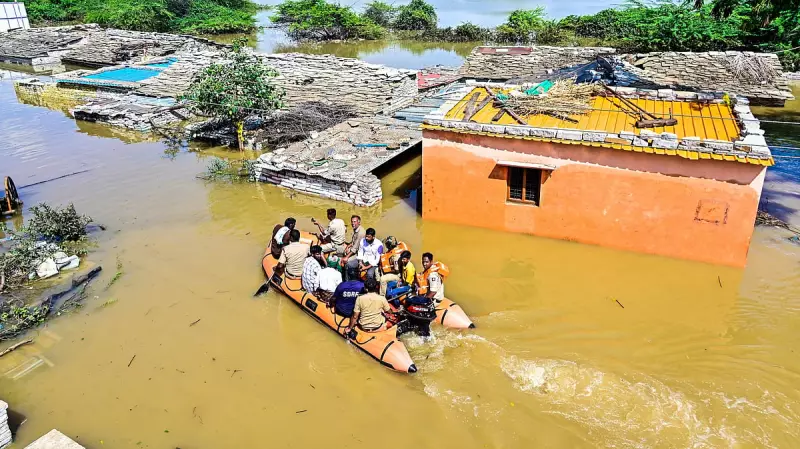
For numerous villages in Karnataka, the annual monsoon brings not relief from the heat but a recurring nightmare of flooding. Despite promises and compensation packages, these communities continue to wait for a permanent solution to their displacement, trapped in a cycle of temporary relief and bureaucratic processes.
A Cycle of Temporary Relief
Each year, as floodwaters inundate their homes and fields, residents are forced to navigate complex administrative systems to access government compensation. Farmers and villagers state that this financial aid, while crucial, offers only a fleeting respite. The underlying risk to their lives and livelihoods remains fundamentally unchanged with each passing season. The compensation process itself has become an annual ordeal, demanding time and effort that a crisis-stricken population can scarcely afford.
The Core Demand: Permanent Rehabilitation
The central plea from these flood-prone communities is for permanent rehabilitation. They seek relocation to safer, higher ground where they can build sustainable homes and futures without the annual fear of destruction. The current model of post-disaster compensation does not address the root cause of their vulnerability. Experts argue that without investment in permanent infrastructure and resettlement plans, the human and economic costs will continue to escalate year after year.

Bureaucratic Hurdles and Unmet Promises
Reports indicate that accessing even the temporary compensation is fraught with challenges. Villagers must deal with extensive paperwork, verification delays, and often unclear guidelines. This bureaucratic maze adds significant stress to an already traumatic situation. The article highlighting these ongoing issues was published on 21 December 2025, by Shree D N Vittal Shastri, underscoring that as of that date, the situation persisted. The continued coverage of this story points to a long-standing governance failure in disaster preparedness and sustainable rehabilitation policy.
The plight of Karnataka's flood-affected villages is a stark reminder of the gap between immediate disaster response and long-term resilience building. Until a shift is made from a compensation-centric model to one focused on permanent rehabilitation and risk reduction, these communities will remain in a precarious state, awaiting the next flood and the next round of temporary aid.