Jind Farmers' Protest Enters Eighth Day with Escalating Tensions
Farmers in Jind continued their sustained protest against the newly implemented crop procurement rules for an eighth consecutive day on Wednesday. The demonstration, organized by the Bharatiya Kisan Union (BKU) alongside several other agricultural organizations, took a dramatic turn as participants expressed their mounting frustration by burning an effigy of Agriculture Minister Shyam Singh Rana.
Daily Effigy Burnings and Government Ultimatum
BKU district president Bindr Numberdar, vice-president Umed Singh Redhu, and spokesperson Ramraji Dhull issued a stern warning to authorities. They declared that effigies of ministers or MLAs would be burned daily until the government withdraws what they termed an "arbitrary order." The union representatives demanded immediate revocation of the new crop procurement regulations, setting a critical deadline for action.
"If the rules are not rolled back soon, a major decision will be taken on April 19, and the government will be solely responsible for the consequences," the BKU leaders stated emphatically. This ultimatum adds significant pressure on officials as the protest movement gains momentum.

Multiple Grievances Fueling Agricultural Unrest
The protesting farmers highlighted several interconnected issues contributing to their discontent:
- Weather-Related Losses: Farmers across the state have suffered substantial financial setbacks due to recent unseasonal rains and hailstorms, creating an urgent need for compensation that has yet to be addressed.
- Biometric System Opposition: The protest will continue indefinitely until the mandatory biometric system for crop procurement is completely withdrawn, according to BKU representatives.
- Inadequate Facilities: Farmers pointed to the substandard conditions at the rest house built near the market committee office, which lacks basic amenities despite an e-Disha centre being established there.
Technical Issues and Procurement Inefficiencies
The BKU leadership raised practical concerns about the current procurement system's implementation. They noted that when technical glitches affect the e-procurement portal, gate passes are issued manually as a workaround. "If manual solutions exist for technical problems, then crop procurement should also be conducted manually to ensure fairness and efficiency," argued the protesters.
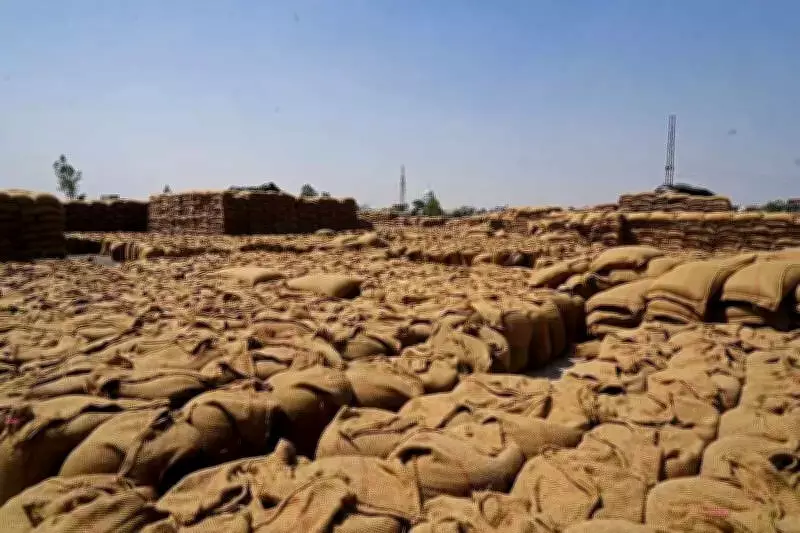
Farmers participating in the demonstrations reported significant inconvenience under the current system, with many having to wait for several days at procurement centers. This logistical bottleneck has exacerbated frustrations among the agricultural community, who view the new rules as adding unnecessary complexity to an already challenging process.
The collective message from Jind's farming community remains clear: the government must withdraw the controversial procurement decision promptly, or face escalating actions that could disrupt agricultural operations across the region. With the April 19 deadline looming, all eyes are on how authorities will respond to this growing protest movement.