Human-Animal Conflict Emerges as Pivotal Election Issue in Kerala's Wayanad for 2026
With the Kerala Assembly Elections of 2026 approaching, the escalating human-animal conflict in the Wayanad district has surged to the forefront of political discourse, becoming a defining issue for voters and candidates alike. This environmental and socio-economic crisis is shaping campaign strategies and policy debates across the region.
Farmers Bear the Brunt of Escalating Wildlife Encounters
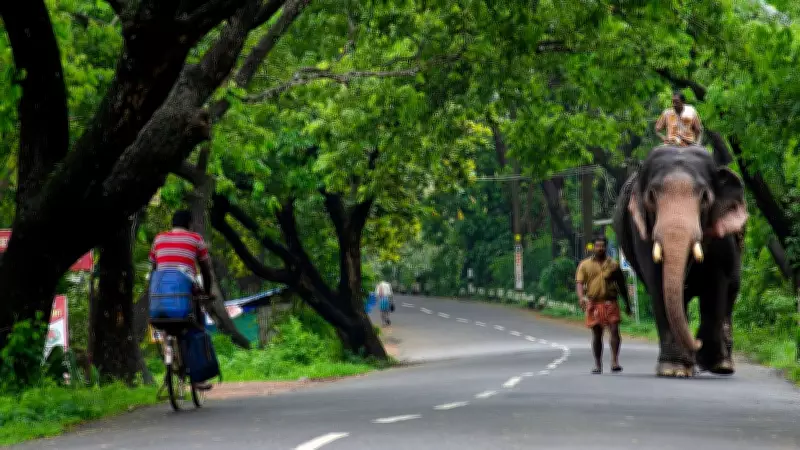
Local farmers report that the impact of human-animal conflicts is most acutely felt in agriculture-dependent communities, where livelihoods are directly threatened. Incidents involving elephants, wild boars, and other wildlife have led to significant crop damage, economic losses, and heightened safety concerns, forcing many to reconsider their traditional farming practices.
The agricultural sector in Wayanad, a key economic driver, is facing unprecedented challenges due to frequent wildlife intrusions. This has sparked widespread frustration among rural voters, who are demanding concrete solutions from political parties ahead of the 2026 polls.

Political Ramifications and Voter Sentiment
As election campaigns intensify, candidates from various parties are being pressed to address this critical issue with viable long-term strategies. The human-animal conflict is not just an environmental concern but a potent electoral factor that could influence voting patterns in Wayanad, a district known for its ecological sensitivity and agricultural prominence.
The timing of this issue's prominence, highlighted in reports from March 2026, underscores its urgency in the pre-election landscape. Stakeholders emphasize that effective governance and sustainable wildlife management will be key benchmarks for evaluating political performance in the upcoming elections.
Broader Implications for Kerala's Policy Framework
This situation highlights broader challenges in balancing conservation efforts with human welfare in Kerala. The 2026 elections are poised to set the tone for future policies on:
- Wildlife conflict mitigation and compensation mechanisms for affected farmers.
- Infrastructure development to protect agricultural lands from animal incursions.
- Community-based initiatives to foster coexistence between humans and wildlife.
With Wayanad serving as a microcosm of these issues, the electoral outcomes here may resonate across Kerala, influencing state-wide approaches to environmental and agricultural governance. As voters weigh their options, the human-animal conflict stands as a testament to the interconnectedness of ecological health and political accountability in modern India.