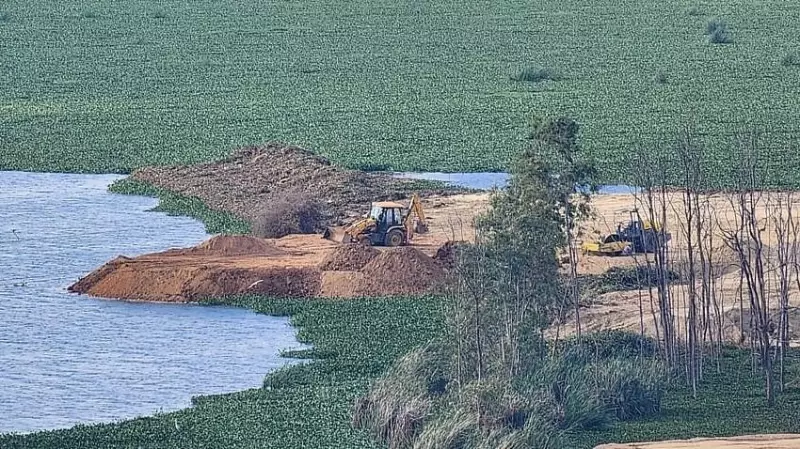
In a significant move to address long-standing environmental concerns, the Karnataka government has finally awarded the contract to build an Underground Drainage (UGD) system for Jigani town. This project is a direct response to the severe pollution plaguing the Hennagara lake, a critical water body on the outskirts of Bengaluru.
NGT's Stern Rebuke Paves the Way for Action
The decision comes after sustained pressure from environmental authorities. Last year, the Southern Zone Bench of the National Green Tribunal (NGT) had sharply criticised the state government for its slow progress in tackling the pollution crisis at Hennagara lake. The tribunal's intervention highlighted the administrative delays that were exacerbating the environmental damage, pushing the issue to the forefront of the government's agenda.
The Jigani UGD Project: A Detailed Look
The newly awarded work focuses on constructing a comprehensive underground sewerage network for Jigani, an industrial and residential hub. The absence of a proper sewage collection and treatment system has been a primary contributor to the lake's degradation, with untreated wastewater often finding its way into the water body. The UGD project aims to intercept, collect, and direct sewage to treatment plants, thereby cutting off a major pollution source and offering a chance for the lake's ecological revival.
Timeline and Expected Impact
The announcement was made public on 07 December 2025. While the specific timeline for completion has not been detailed in the initial report, the awarding of the contract marks the crucial transition from planning to on-ground execution. For residents and environmental activists, this step is seen as a long-overdue but welcome beginning. The success of this infrastructure project is pivotal for restoring the health of Hennagara lake, which has suffered from eutrophication, loss of biodiversity, and becoming a public health hazard.
The government's action, spurred by judicial oversight, sets a precedent for addressing similar water bodies in crisis across Karnataka. It underscores the importance of accountable governance and timely implementation of environmental projects. The focus now shifts to the diligent and swift execution of the UGD work to ensure that the lake, and the community dependent on it, gets a sustainable future.