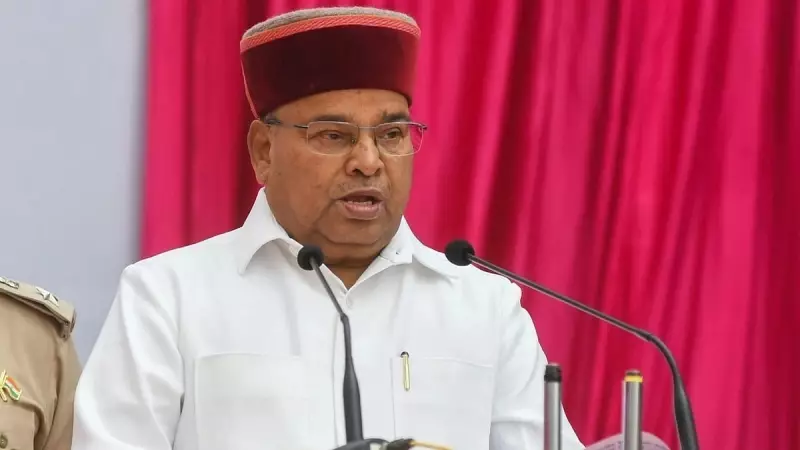
In a dramatic turn of events at the Karnataka Legislative Assembly, Governor Thaawarchand Gehlot sparked controversy by reading merely three lines from his prepared address before making an unexpected exit from the session. The abrupt departure left lawmakers and attendees in a state of shock and disbelief, marking a significant disruption in the state's parliamentary proceedings.
Unprecedented Walkout Triggers Legislative Uproar
As Governor Gehlot began to walk out of the Assembly hall, Congress legislators erupted in vocal protest, loudly booing and chanting "shame, shame" in a display of collective outrage. The scene quickly escalated into a chaotic spectacle, with marshals stepping in to escort the Governor out of the premises, ensuring his safe departure amid the growing unrest.
Political Implications and Immediate Reactions
This incident has raised serious questions about gubernatorial conduct and the sanctity of legislative traditions in Karnataka. Political analysts suggest that such actions could deepen existing tensions between the state government and the central appointment, potentially affecting governance and bipartisan cooperation.

The brevity of the Governor's address—limited to just a few lines—stands in stark contrast to the customary full speeches that outline policy directions and governmental priorities. Observers note that this move may be interpreted as a symbolic gesture or a pointed political statement, though official explanations remain pending.
Broader Context and Historical Precedents
While walkouts and protests are not uncommon in Indian legislative bodies, a Governor cutting an address this short is a rare occurrence. It echoes similar instances of political discord in other states but sets a new precedent for Karnataka's political landscape.
The fallout from this event is likely to influence upcoming legislative sessions and could impact public perception of political stability in the state. Stakeholders are calling for transparency and accountability to prevent such disruptions from undermining democratic processes.