The Unconventional Path to U-19 Stardom
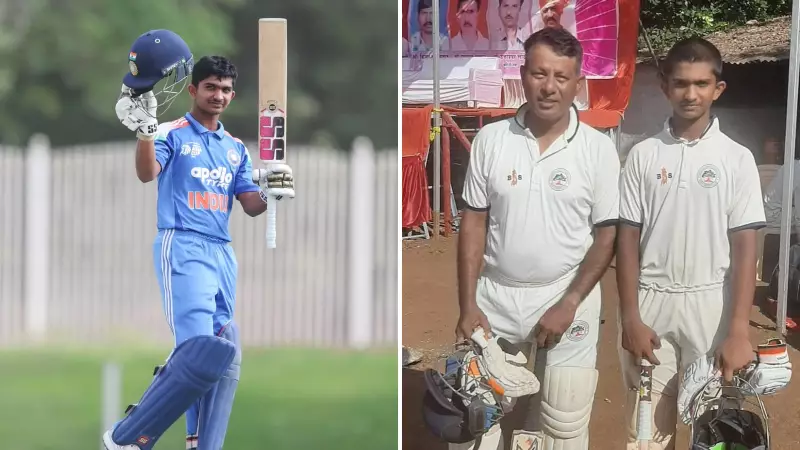
Abhigyan Kundu's composed innings of 80 runs against Bangladesh in the ICC Under-19 World Cup did more than just secure a victory for India. It showcased the remarkable temperament of a young cricketer shaped by extraordinary methods. Behind this performance lies a story of unconventional coaching, parental trust, and life lessons learned far from the cricket pitch.
A Simple Request from Concerned Parents
When Abhigyan's parents first approached coach Chetan Jadhav at his Navi Mumbai academy, they presented a straightforward problem. Their son possessed boundless energy that kept him running through the house and resisting sleep. They hoped cricket might provide an outlet to tire him out enough for proper rest. Little did they realize this restless energy would transform into an unwavering dedication to the sport under Jadhav's unique guidance.
Life Lessons Beyond Cricket Technique
Coach Jadhav believed cricket alone could not build a complete player. Despite Abhigyan's comfortable family background, the coach introduced him to experiences designed to build character. He made the young cricketer travel in unreserved train compartments, spend a night sleeping at a railway station, and share meals with teammates from much humbler circumstances. "Cricket alone isn't enough," Jadhav explains. "He needs to learn about life."

The coach maintains meticulous records of Abhigyan's journey. His office contains files filled with scorecards, printed records of every significant innings, and over 6,000 gigabytes of batting footage documenting each practice session, every mistake, and all corrections made along the way.
The Crucial Condition for Parental Non-Interference
Before accepting Abhigyan as a student, Jadhav established one firm condition with the parents. Coming from a family where one parent worked as an engineer and the other as a doctor, Jadhav understood their expectations. However, he insisted they would never interfere in their son's cricketing development. "I interview the parents before taking a child," Jadhav recalls. "I take only players whose parents are working. I don't want involvement. In Mumbai, there are too many parents interfering in their child's game."
Old-School Training Methods
Jadhav, himself a pupil of legendary coach Ramakant Achrekar, recognized Abhigyan's special talent by the time the boy turned eleven. Training followed Achrekar's traditional methods:
- Facing 5,000 balls daily during practice sessions
- Running two overs every alternate day for fitness
- Deliberate rest periods to balance the physical workload
The coach vividly remembers the moment that confirmed Abhigyan's potential. "I was playing club cricket and took him to open with me once. He wasn't scared of bowlers much older than him. He was focused. That's when I realized he was good material."
Remarkable Run-Scoring Feats
Abhigyan's batting performances soon became extraordinary. By age thirteen, he had accumulated nearly 29,000 runs with 97 centuries and 127 half-centuries. His monumental innings included:
- Two scores exceeding 400 runs
- Two innings passing 300 runs
- Nine double centuries
"He has a huge appetite for runs," Jadhav observes. "The best part is his game sense. Whether he scores 100, 200, or 300, he never shows off his bat. He just focuses on batting."
Balancing Cricket with Academic Excellence
The distance from parental pressure has remained consistent throughout Abhigyan's development. His father, Abhishek, who works at Tata Consultancy Services, did not even watch the World Cup match live, receiving updates instead from coaches. The family's primary concern has always been education alongside cricket.
Abhigyan managed to score 82 percent in his Class 10 examinations while maintaining his cricket commitments. He currently pursues science studies, and even during World Cup duty, his academic books travel with him as he prepares for upcoming Class 12 examinations. "He's more worried about exams than cricket right now," Jadhav laughs. "Science is tough, but he's smart."

A Promising Future Built on Strong Foundations
Abhigyan's journey from representing the Avinash Salvi Foundation in Navi Mumbai to training at the DY Patil Sports Academy, then moving to Anjuman High School in South Mumbai, has created a structured path. His performances earned recognition from former India pacer Abey Kuruvilla and led to selections for Mumbai's Under-16 side, zonal teams, and stints at the National Cricket Club's academies.
For Abhigyan Kundu, the crucial innings against Bangladesh represents just the beginning. His future success will depend not merely on talent but on his capacity to endure challenges, adapt to higher levels of competition, and survive the pressures of professional cricket. This journey started with a boy who simply refused to sleep and found in cricket both an outlet for his energy and a purpose for his determination.