Garo Hills Council Poll Tensions: Unrest Triggers and Local Demands Explained
In Meghalaya, tensions have flared in the Garo Hills region surrounding the upcoming elections for the Garo Hills Autonomous District Council (GHADC). The unrest, which has sparked protests and political friction, stems from deep-seated issues related to governance, resource allocation, and local autonomy. This situation highlights the complex interplay between traditional tribal structures and modern administrative frameworks in India's northeastern states.
What Triggered the Unrest?
The immediate trigger for the unrest appears to be dissatisfaction with the current administration and electoral processes. Locals and various groups have raised concerns about alleged mismanagement of funds, lack of development in tribal areas, and perceived biases in the council's functioning. These grievances have been simmering for some time, but the approach of the council polls has brought them to the forefront, leading to demonstrations and calls for reform.
Additionally, there are reports of political rivalries intensifying, with accusations of unfair practices and manipulation in the election preparations. This has fueled distrust among the populace, exacerbating the tensions. The unrest is not merely about the elections themselves but reflects broader frustrations with how the autonomous council has been operating, particularly in addressing the needs of the Garo tribal community.

What Are the Locals Demanding?
Local residents and advocacy groups in the Garo Hills are voicing several key demands in response to the unrest. Primarily, they are calling for:
- Improved Governance: Enhanced transparency and accountability in the council's administration to ensure that funds and resources are utilized effectively for community development.
- Better Resource Management: Fair distribution of resources, including land and financial allocations, to support tribal welfare and infrastructure projects.
- Greater Autonomy: Strengthening of the council's powers to make decisions that align with local customs and traditions, without excessive interference from state or central authorities.
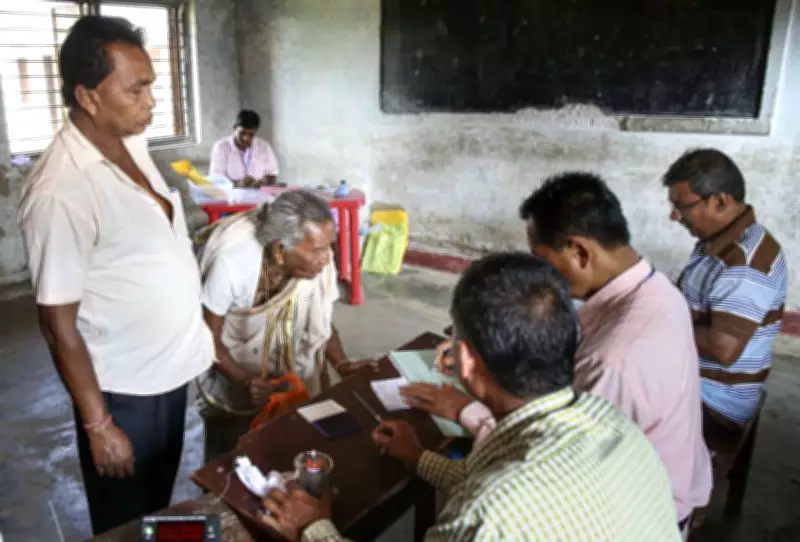
- Electoral Reforms: Demands for free and fair elections, with measures to prevent corruption and ensure that all candidates have an equal opportunity to contest.
These demands underscore a desire for more responsive and inclusive governance that respects the unique cultural and social fabric of the Garo Hills. The locals emphasize that the council should serve as a true representative body, addressing issues such as education, healthcare, and economic opportunities that are critical to their well-being.
Broader Implications and Context
The unrest in the Garo Hills is part of a larger pattern of tensions in autonomous tribal regions across India, where communities seek to balance self-governance with integration into the national framework. Meghalaya, with its diverse tribal populations, has often seen such conflicts, particularly around district councils that are meant to empower local governance under the Sixth Schedule of the Indian Constitution.
Historically, the Garo Hills Autonomous District Council has played a pivotal role in managing local affairs, but recent years have seen criticisms over its effectiveness. The current tensions could impact the upcoming polls, potentially leading to delays or increased security measures. Moreover, this situation draws attention to the need for ongoing dialogue between stakeholders, including government officials, tribal leaders, and civil society, to address underlying issues and prevent further escalation.
In summary, the unrest in the Garo Hills is a multifaceted issue driven by governance failures and unmet local expectations. As the election date approaches, resolving these tensions will require concerted efforts to meet the demands of the community and restore trust in the autonomous council system.