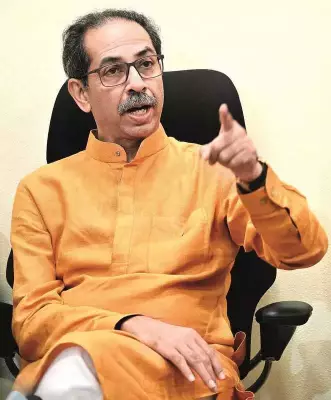
Maharashtra Deputy CM Fadnavis Issues Stern Warning Over Kharat Victim Video Circulation
In a firm and decisive move, Maharashtra Deputy Chief Minister Devendra Fadnavis has declared that criminal action will be taken against individuals found circulating videos of the victims from the Kharat incident. This announcement underscores the state government's commitment to upholding legal standards and protecting the dignity of those affected by the tragic event.
Legal Consequences for Unauthorized Video Sharing
Fadnavis emphasized that sharing such sensitive content without consent is not only unethical but also a punishable offense under the law. The authorities are actively monitoring online platforms and social media to identify and prosecute those involved in disseminating the videos. This crackdown aims to prevent further trauma to the victims and their families, who are already grappling with the aftermath of the incident.
The Deputy CM stated, "We will not tolerate any form of exploitation or harassment through the circulation of these videos. Strict legal measures will be enforced to ensure justice and maintain public order." This statement highlights the government's zero-tolerance policy towards activities that compromise the privacy and well-being of citizens.

Public Appeal for Sensitivity and Cooperation
In addition to the legal warnings, Fadnavis appealed to the public to exercise restraint and sensitivity regarding the Kharat case. He urged people to refrain from sharing or viewing the videos, as doing so could hinder ongoing investigations and cause additional distress to the victims. The government is working closely with law enforcement agencies to swiftly address any violations and bring perpetrators to justice.
The Kharat incident has drawn significant attention, and the state's response reflects a broader effort to balance legal accountability with compassionate governance. By taking a strong stance against video circulation, Maharashtra aims to set a precedent for handling similar situations in the future, ensuring that victims' rights are prioritized in the digital age.