
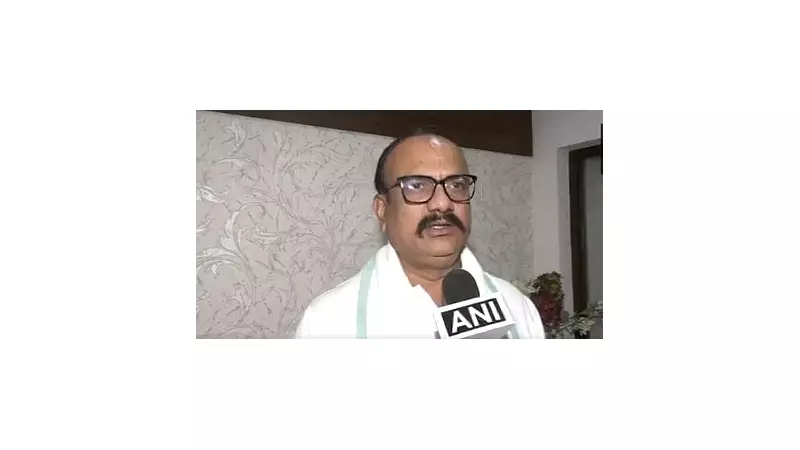
The political atmosphere in Maharashtra has intensified following a formal complaint to the Election Commission of India (ECI) against the state's Legislative Assembly Speaker, Rahul Narvekar. The complaint, lodged by Congress leader Harshvardhan Sapkal, demands immediate action against Narvekar for his controversial remarks alleging the poll body is "tied to the BJP's leash." This incident has ignited a fresh debate on the neutrality of constitutional functionaries during the election period.
The Core of the Controversy
The controversy stems from comments made by Speaker Rahul Narvekar during a public address in the Kolhapur district. According to the complaint filed with the Chief Electoral Officer of Maharashtra, Narvekar, while speaking at a gathering, stated that the Election Commission was under the influence of the ruling Bharatiya Janata Party (BJP). The specific phrase, translated from Marathi, accused the EC of being "tied to the BJP's leash," implying a lack of independence and fairness.
Harshvardhan Sapkal, the Congress's state social media coordinator, submitted the complaint on April 27, 2024. He argued that Narvekar, holding the constitutional post of Assembly Speaker, is bound by the Model Code of Conduct (MCC) which is currently in force for the ongoing Lok Sabha elections. The MCC explicitly prohibits individuals in positions of authority from making statements that could undermine the integrity and impartiality of the Election Commission.
Legal and Constitutional Violations Alleged
The complaint meticulously outlines the alleged violations. Sapkal contends that Narvekar's remarks are a direct affront to the dignity and autonomy of the Election Commission, a constitutional body mandated to conduct free and fair elections. By publicly questioning its neutrality, the Speaker has potentially eroded public trust in the electoral process.
Furthermore, the Congress leader emphasized that such statements from a high constitutional post holder are a clear breach of the Model Code of Conduct. The MCC guidelines bar criticism of other parties or institutions based on unverified allegations, especially those that can malign the election process itself. The complaint urges the Election Commission to take stern action against Rahul Narvekar to uphold the sanctity of the electoral framework and set a precedent that no one is above the conduct rules.
Broader Political Repercussions
This incident is not occurring in a vacuum. It adds fuel to the ongoing, heated political discourse in Maharashtra, where alliances and loyalties have been fluid. The accusation that a constitutional office-bearer is openly partisan and disparaging a central institution like the ECI has drawn sharp reactions from opposition quarters.
Critics argue that this episode highlights a worrying trend of blurring lines between constitutional duties and political allegiance. The demand for action against the Speaker puts the Election Commission in a spotlight, testing its resolve to enforce the Model Code of Conduct uniformly, irrespective of the position held by the alleged violator. The EC's response, or lack thereof, will be closely watched as a measure of its authority during this critical election season.
The Path Forward and Expected Actions
As per standard procedure, the office of the Chief Electoral Officer is expected to examine the complaint, seek a report or explanation from the concerned individual, and then decide on the future course of action. Possible actions can range from a simple advisory or warning to more severe measures like filing a police complaint or recommending disciplinary action.
The outcome of this complaint will be a significant indicator of the Election Commission's capacity to maintain a level playing field. It raises fundamental questions about the conduct expected from individuals in high offices during elections and the mechanisms to hold them accountable. The political circles in Maharashtra and nationally are now awaiting the EC's next move, which could have lasting implications for electoral politics and the perceived independence of constitutional bodies.