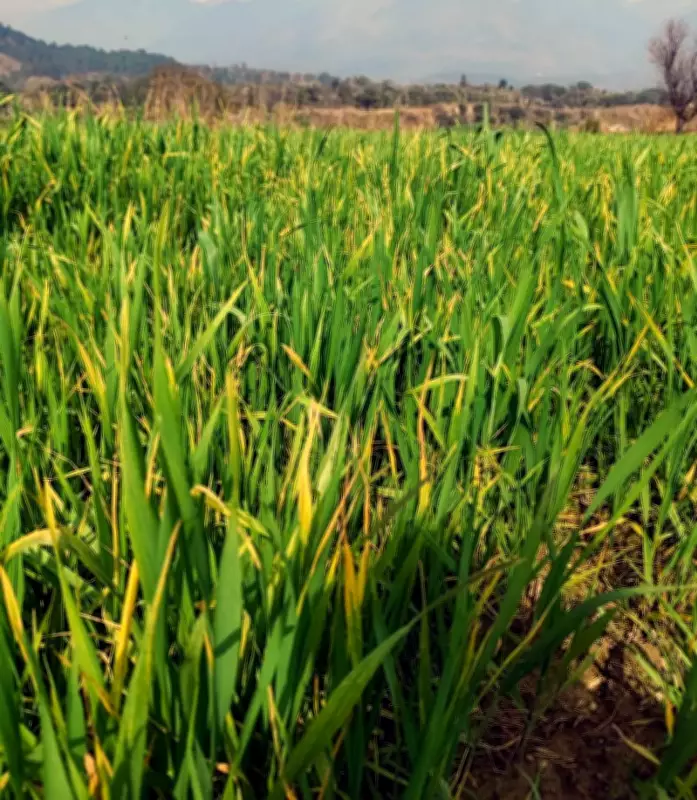
Dry Spell in Himachal Pradesh Casts Shadow on Rabi Season, Wheat Crop Withers
A severe and prolonged dry spell in Himachal Pradesh is posing a significant threat to the rabi agricultural season, with wheat crops across the state beginning to wither due to inadequate moisture. This climatic adversity is raising alarms among farmers and agricultural experts, who fear substantial losses in crop yield and potential economic hardships for the farming community.
Impact on Wheat Cultivation and Agricultural Output
The lack of timely rainfall and snowfall during the critical growth phases of the rabi season has resulted in stunted growth and drying of wheat plants in various districts. Key agricultural regions, including Kangra, Mandi, and Una, are reporting visible damage to crops, with farmers expressing concerns over reduced grain quality and quantity. This situation threatens to disrupt the state's food production cycle and could lead to increased dependency on imports or higher market prices for wheat.
Farmers are facing mounting challenges as they struggle to irrigate their fields amidst water scarcity, with many relying on limited groundwater resources that are depleting rapidly. The dry conditions are also affecting other rabi crops like barley and mustard, compounding the agricultural crisis.

Broader Implications for Economy and Food Security
The withering wheat crop has broader implications for Himachal Pradesh's economy, where agriculture contributes significantly to rural livelihoods and state revenue. A poor harvest could result in financial losses for farmers, reduced income from agricultural exports, and strain on government support systems. Additionally, this dry spell highlights vulnerabilities in the region's climate resilience and underscores the need for adaptive farming practices and improved irrigation infrastructure.
Experts warn that if the dry conditions persist, it could exacerbate food security concerns in the state, potentially affecting local supply chains and consumer access to staple foods. The situation calls for immediate intervention from agricultural departments and policymakers to mitigate losses and support affected farmers through relief measures and technical guidance.
Response and Future Outlook
In response to the crisis, state agricultural authorities are monitoring the situation closely and advising farmers on water conservation techniques and alternative crop management strategies. However, the long-term outlook remains uncertain, with meteorological predictions indicating a continuation of below-average precipitation in the coming weeks.
This dry spell serves as a stark reminder of the increasing frequency of extreme weather events in Himachal Pradesh, driven by climate change factors. It emphasizes the urgency for sustainable agricultural policies and community-based initiatives to enhance crop resilience and ensure food sovereignty in the face of environmental challenges.