Chikkaballapur District Witnesses Partial Bandh Over Water Treatment Demands
A bandh called on Sunday across Chikkaballapur district in Karnataka, demanding tertiary treatment of water from the HN Valley, received a mixed and partial response from the local population and businesses. The protest, organized to highlight serious concerns about water quality and public health, saw varying levels of participation, with significant disruptions in commercial activities but continued operation of some essential transport services.
Impact on Daily Life and Transport Services
Most business establishments throughout the district remained shut in observance of the bandh, reflecting widespread support for the cause among traders and shop owners. However, Karnataka State Road Transport Corporation (KSRTC) buses continued to operate, albeit in reduced numbers, ensuring minimal connectivity for commuters. Autorickshaws and private buses largely stayed off the roads, contributing to a noticeable decrease in local transportation options and highlighting the protest's impact on daily mobility.
Organized Protest and Public Gathering
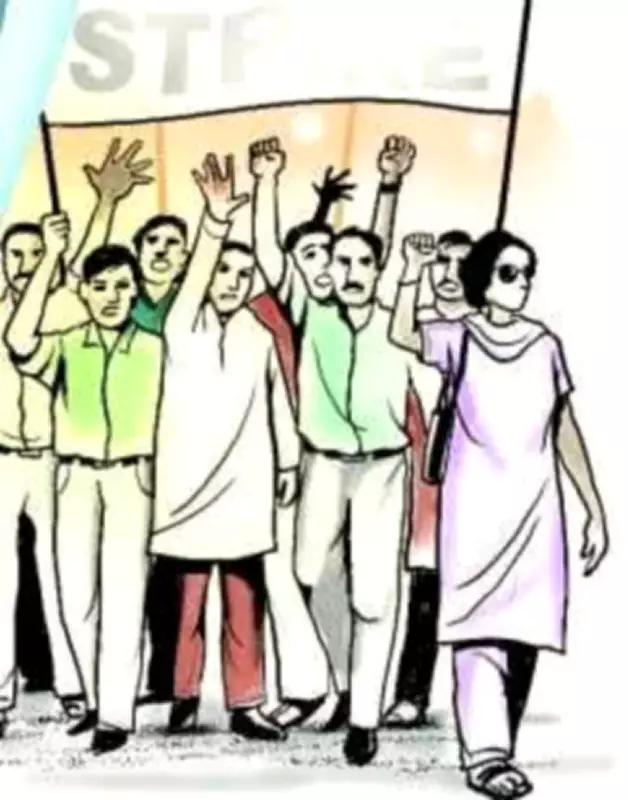
The bandh was called by a joint action committee comprising several local organizations, which coordinated efforts to amplify their demands for improved water treatment infrastructure. Protesters actively participated by taking out a procession from Sidlagatta Circle to the municipal grounds, where a public meeting was subsequently held to discuss the issues and rally community support. This organized demonstration underscored the grassroots nature of the movement and the collective urgency felt by residents regarding water safety.
Political Voices and Chemical Concerns in Water Supply
Speaking at the public gathering, BJP functionary A Sandeep Reddy addressed the crowd, emphasizing that multiple experts have pointed out critical flaws in the current water treatment processes. He stated that the water supplied to Chikkaballapur, although treated twice before being released into local waterbodies, still contains harmful chemicals, posing potential health risks to the community. Reddy alleged that the government has not taken these serious concerns with the requisite urgency, calling for immediate action to implement tertiary treatment systems to ensure safe drinking water.
Broader Context and Community Implications
The partial response to the bandh reflects a community deeply concerned about environmental and public health issues, yet balancing practical necessities like transport. The protest highlights ongoing challenges in water management in the region, with residents demanding higher standards of water purification to mitigate contamination risks. As discussions continue, the event serves as a reminder of the critical need for governmental attention to infrastructure and environmental policies that directly affect daily life and well-being in Chikkaballapur and similar areas.