Chennai Constituency Residents Present Detailed Citizens' Manifesto Ahead of Elections
With election day approaching rapidly, residents of Chennai's Thiru Vi Ka Nagar constituency have taken a proactive approach by presenting a comprehensive citizens' manifesto that highlights long-standing civic problems plaguing their neighborhoods. The detailed charter was prepared by the Perambur Neighbourhood Development Forum and has already been submitted to political candidates contesting in the upcoming elections.
Constituency-Wide Civic Concerns Documented
The manifesto specifically addresses issues affecting key areas within the constituency, including Perambur, Vyasarpadi, and Pulianthope. According to C. Raghukumar, convenor of the forum, the document has been formally presented to AIADMK candidate Porkodi, with plans to submit it to all remaining candidates as well. This strategic timing ensures that civic concerns become central to election discussions with less than a week remaining before voters head to the polls.
Infrastructure and Road Quality Deficiencies
Poor road conditions emerge as a primary concern in the manifesto, with residents reporting that newly laid roads develop potholes within months of construction. The document alleges that many road projects fail to comply with proper engineering standards, resulting in substandard infrastructure. Furthermore, repeated digging for pipeline and cable installations followed by inadequate patchwork repairs has left many road stretches uneven and vulnerable to flooding during rains.

Pedestrian Safety and Infrastructure Encroachment
Pedestrian safety has become another critical issue, with footpaths across multiple neighborhoods either broken or illegally occupied by parked vehicles. This dangerous situation forces pedestrians, including vulnerable groups like the elderly and children, to walk directly on busy roads, significantly increasing accident risks. The manifesto emphasizes that this infrastructure neglect represents a serious public safety concern that requires immediate attention from elected representatives.
Sanitation and Waste Management Crisis
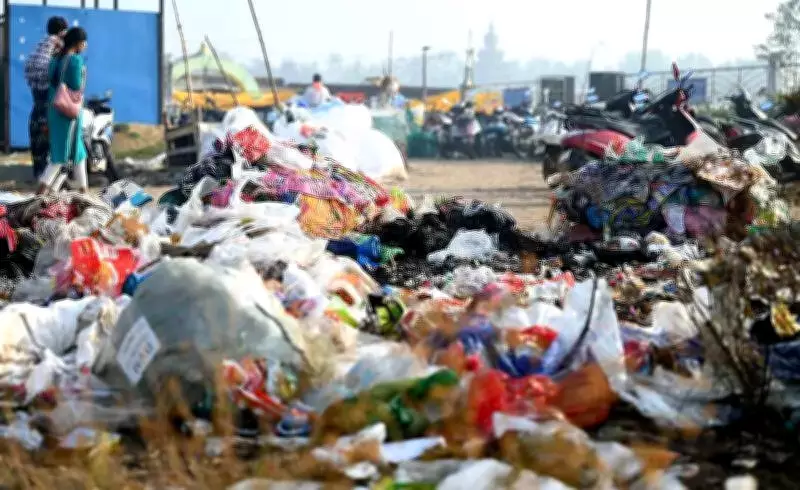
The document details a persistent garbage mismanagement problem throughout the constituency, characterized by overflowing bins, delayed waste collection by local authorities, and accumulating street waste, particularly during sanitation service disruptions. T. E. Goverdhan, co-convenor of the association, explained that the situation is exacerbated by frequent sewage overflows and clogged drains, which raise serious public health concerns and create ideal breeding grounds for mosquitoes.
In many densely populated settlements, inadequate sanitation infrastructure compounds residents' distress, with hundreds of households relying on poorly maintained community toilet facilities that fail to meet basic hygiene standards.
Traffic Chaos and Public Safety Gaps
Traffic management represents another significant challenge, with illegal parking further narrowing already congested streets and creating hazardous conditions for both vehicles and pedestrians. The manifesto also points to incomplete CCTV installations that have left critical gaps in public safety monitoring, reducing the effectiveness of security measures throughout the constituency.
Systemic Reforms Proposed
Beyond merely listing problems, the citizens' manifesto calls for comprehensive systemic reforms to address these longstanding issues. Key proposals include transparent disclosure of public works projects and contractor details, the establishment of ward-level citizen committees to monitor local governance, and the implementation of quarterly public review meetings where residents can directly engage with elected representatives about progress on civic improvements.
The document represents a coordinated effort by residents to ensure that their daily struggles with infrastructure deficiencies, sanitation problems, and safety concerns become priority agenda items for whoever wins the upcoming election. By presenting this detailed charter directly to candidates, constituents hope to establish clear accountability mechanisms and measurable benchmarks for civic improvement in the months following the election.