BJP Leader Dilip Ghosh Pledges Aggressive Anti-Crime Measures for West Bengal
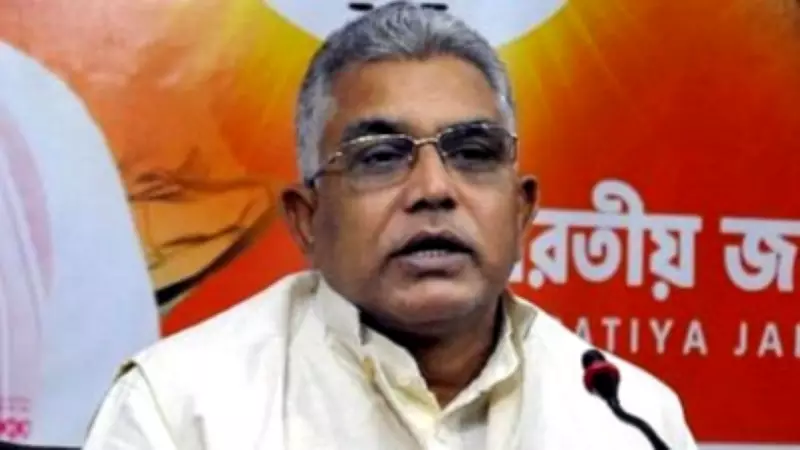
In a bold declaration that has stirred political discourse, senior Bharatiya Janata Party (BJP) leader Dilip Ghosh has asserted that a BJP-led government in West Bengal would adopt "Uttar Pradesh-style encounters" to combat criminals and mafia elements in the state. This statement, made on March 26, 2026, underscores the party's hardline stance on law and order, drawing parallels with the controversial police actions seen in Uttar Pradesh under BJP rule.
Criticism of TMC's Governance and Police Inaction
Ghosh leveled sharp criticism at the current Trinamool Congress (TMC) administration, alleging that the police force in West Bengal operates under the direct influence of the ruling party. He claimed that this political interference has led to a failure in taking decisive action against criminals and organized mafias, thereby compromising public safety. According to Ghosh, this perceived ineffectiveness necessitates a drastic shift in policing strategies if the BJP comes to power.
Details of the Proposed UP-Style Encounter Policy
The reference to "UP-style encounters" points to the aggressive police tactics implemented in Uttar Pradesh, where encounters between law enforcement and alleged criminals have been frequent and often lethal. Ghosh's proposal suggests that a BJP government would empower police to take similar robust measures, aiming to instill fear among criminal networks and restore order. This approach has been both praised for reducing crime rates and criticized for potential human rights violations in other states.

Political Implications and Reactions
This announcement is likely to fuel ongoing political tensions in West Bengal, where the BJP has been striving to challenge the TMC's dominance. By highlighting law and order as a key issue, Ghosh seeks to position the BJP as a party committed to stringent governance and public security. The statement may resonate with voters concerned about crime, but it also risks sparking debates over the ethical and legal ramifications of such encounter policies.
As the political landscape heats up, Ghosh's remarks add a new dimension to the discourse on policing and governance in West Bengal, setting the stage for intense electoral battles ahead.