Bihar Transgender Welfare Board Vice-Chair Resigns in Protest Over New Legislation
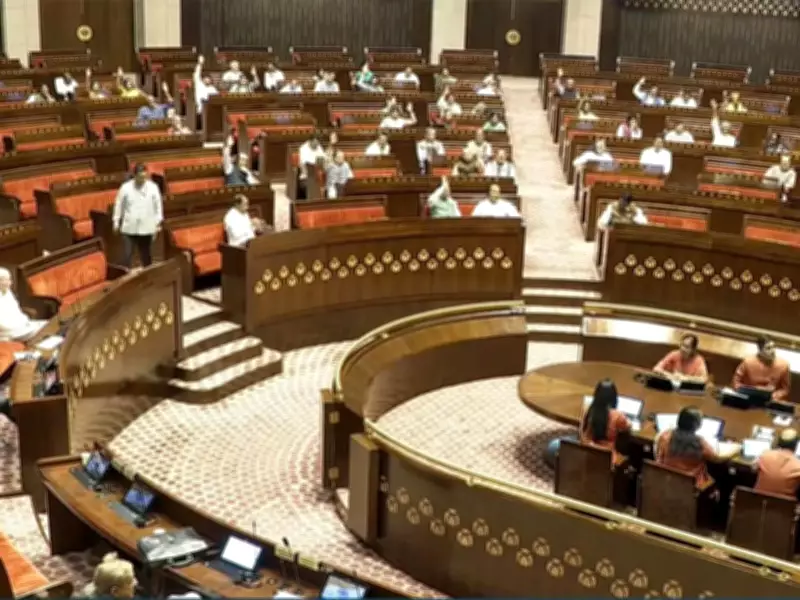
In a significant development, Rajan Singh, the acting vice-chairperson of the Bihar State Transgender Welfare Board, has resigned from his position. This decision comes in the wake of the parliamentary passage of the Transgender Persons (Protection of Rights) Amendment Bill, 2026. The resignation highlights growing discontent within the transgender community regarding the new law, which introduces sweeping changes to the process of gender recognition in India.
Controversial Changes to Gender Identity Recognition
The newly enacted legislation replaces the previous right to self-perceived gender identity with a mandatory medical certification process. This process must be conducted by a government-appointed board, marking a stark departure from earlier practices. Under the old system, a transgender person could submit an affidavit and an application before the district magistrate, who would then issue a certificate recognizing their gender identity.
Now, individuals must first appear before a medical board comprising male and female doctors. This board will examine the person to determine their identity, after which the district magistrate will decide whether to issue the certificate. Additionally, the bill narrows the legal definition of transgender people to focus on biological criteria and specific socio-cultural groups, a move that has drawn sharp criticism from activists and community members.

Lack of Consultation Sparks Outrage
In his resignation statement, Rajan Singh expressed deep frustration over the lack of consultation with the transgender community during the bill's formulation. He emphasized that the central government introduced and passed the bill overnight without engaging state governments or community representatives. Singh argued that this approach undermines the rights of transgender individuals and future generations, violating fundamental principles of privacy and dignity.
"Without consulting us or any state government, the central government brought this bill and passed it overnight. This undermines the rights of the transgender community and future generations," Singh stated. He further added, "This is wrong, as no one has the right to violate a person's integrity. It is a question of our fundamental rights." He noted that protests are erupting across the country, and there is hope that the President will send the bill back to the central government for reconsideration.
Community Impact and Socio-Economic Challenges
The transgender community in Bihar, estimated to number approximately 300,000 people, faces significant socio-economic challenges, with the majority remaining unregistered or unidentified. This legislative shift is expected to exacerbate these difficulties by creating new barriers to recognition. Priya Sinha, a transgender activist based in Patna with nearly a decade of experience, highlighted the physical and administrative hurdles imposed by the new law.
Sinha pointed out that transgender persons by birth, as well as those who identify as transmen or transwomen, will face discrimination and difficulties equally under the new system. She criticized the bill for failing to address key issues, such as the punishment for sexual abuse against transgender persons, which remains unchanged at a maximum of two years—a provision widely seen as inadequate.
"Instead of working for the development of this already backward community, who have been trying to fight decades of stigma and find a footing in society, instead of making a place for our community, society is regressing," Sinha lamented. She emphasized that the community has been striving to overcome historical stigma and integrate into society, but the new law represents a step backward.
Legal and Activist Concerns
Opponents of the bill argue that it violates the 2014 NALSA judgment, which affirmed the right to self-identification for transgender people. Activists have raised concerns about the penal provisions, noting discrepancies and insufficient protections. The requirement for medical certification is seen as an infringement on personal autonomy and a potential source of further marginalization.

As the debate intensifies, the resignation of Rajan Singh serves as a powerful symbol of resistance within the transgender community. It underscores the urgent need for inclusive policymaking that respects the rights and dignity of all individuals, regardless of gender identity. The future of the bill remains uncertain, with ongoing protests and calls for reconsideration shaping the national conversation on transgender rights in India.