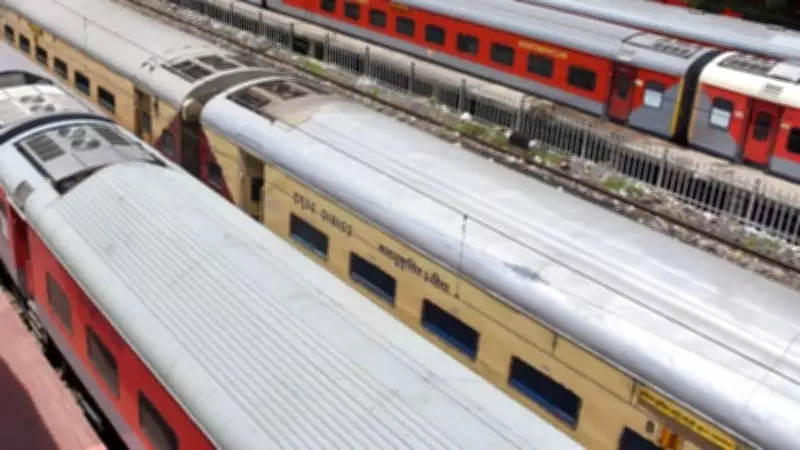
Bengaluru Train Services Face Major Disruptions Due to Technical Faults
Train services in Bengaluru, the capital city of Karnataka, have been severely disrupted due to technical faults on several key routes. The disruptions, which began early this morning, have led to significant delays and cancellations, affecting thousands of commuters across the city. Authorities from the Indian Railways have confirmed that the issues stem from electrical and signaling problems, which have impacted both local and long-distance trains.
Causes and Impact of the Disruptions
The primary cause of the disruptions has been identified as technical faults in the signaling systems and overhead electrical lines. These faults occurred on major routes, including the Bengaluru City to Yesvantpur line and the Krantiveera Sangolli Rayanna Railway Station to Whitefield section. As a result, multiple trains have been delayed by up to several hours, while some services have been canceled outright to allow for repairs.
Commuters have reported widespread inconvenience, with many stranded at stations or forced to seek alternative modes of transportation. The disruptions have also affected freight services, leading to potential economic impacts on goods movement in the region. Railway officials have stated that emergency teams are on-site, working to diagnose and fix the issues as quickly as possible.

Response from Authorities and Restoration Efforts
In response to the crisis, railway authorities have issued advisories urging passengers to check train statuses before traveling. They have also set up help desks at major stations to assist affected commuters. According to a spokesperson, restoration work is underway, with priority given to restoring signaling and power supply to minimize further delays.
Key measures being taken include:
- Deployment of technical teams to repair faulty signaling equipment.
- Inspection and maintenance of overhead electrical lines to prevent future issues.
- Coordination with local transport agencies to provide alternative travel options.
Despite these efforts, officials have warned that full normalization of services may take several hours, and commuters should expect continued disruptions throughout the day. They have apologized for the inconvenience and assured the public that all resources are being mobilized to resolve the situation promptly.
Broader Implications and Future Precautions
This incident highlights ongoing challenges in maintaining railway infrastructure in urban areas like Bengaluru, which has seen rapid growth in passenger traffic. Experts suggest that such disruptions could become more frequent without significant investments in upgrading aging systems and implementing advanced monitoring technologies.
To mitigate future risks, railway authorities are considering:
- Enhancing regular maintenance schedules for critical infrastructure.
- Investing in modern signaling and communication systems to improve reliability.
- Developing contingency plans for faster response to technical failures.
As the situation develops, passengers are advised to stay updated through official railway channels and plan their journeys accordingly. The disruptions serve as a reminder of the importance of robust public transport systems in supporting daily life and economic activities in major cities.