Bengaluru's Hawking Zones: A Persistent Urban Challenge
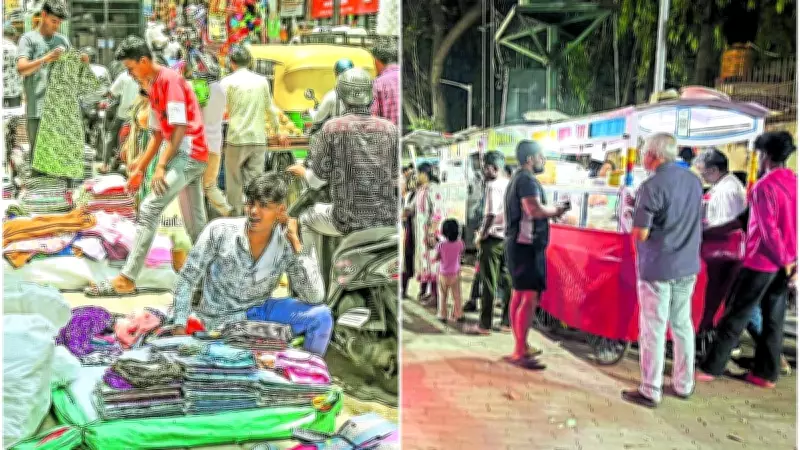
In Bengaluru, the creation of formal hawking zones continues to be a distant dream, with repeated efforts to establish these designated areas for street vendors consistently falling short. The city's bustling streets, known for their vibrant informal economy, have long struggled to balance the needs of vendors with urban planning regulations.
Historical Failures and Current Intent
Over the years, initiatives aimed at setting up structured vending spaces have faced numerous obstacles, including bureaucratic delays, lack of infrastructure, and resistance from various stakeholders. These failures have left many street vendors operating in precarious conditions, often facing eviction and legal challenges.
Recently, the deputy chief minister of Karnataka has indicated a renewed intent to address this issue, sparking hope among vendors and urban planners alike. This announcement comes at a critical time, as Bengaluru grapples with rapid urbanization and the need for inclusive economic policies.

Key Challenges in Implementation
The implementation of hawking zones in Bengaluru is hindered by several factors:
- Land Allocation: Securing suitable and accessible land for vending zones has proven difficult due to high real estate costs and competing urban development projects.
- Regulatory Hurdles: Complex licensing processes and unclear policies often delay or derail efforts to formalize street vending.
- Infrastructure Deficits: Many proposed zones lack basic amenities such as sanitation, electricity, and waste management, making them unattractive to vendors.
- Community Opposition: Local residents and businesses sometimes resist the establishment of vending zones, citing concerns over noise, traffic, and hygiene.
Potential Benefits of Formal Zones
If successfully implemented, formal hawking zones could offer significant advantages:
- Economic Inclusion: Providing street vendors with legal recognition and stable operating spaces can enhance their livelihoods and contribute to the local economy.
- Urban Order: Designated zones can help reduce congestion on sidewalks and improve pedestrian safety, while preserving the cultural vibrancy of street markets.
- Improved Services: With proper infrastructure, vendors can offer better quality goods and services, benefiting consumers and boosting public health standards.
As Bengaluru moves forward, the success of this initiative will depend on coordinated efforts between government agencies, vendors' associations, and civil society. The deputy CM's intent marks a potential turning point, but past failures serve as a cautionary tale. Stakeholders must work collaboratively to overcome the longstanding barriers and transform this distant dream into a tangible reality for the city's street vendors.